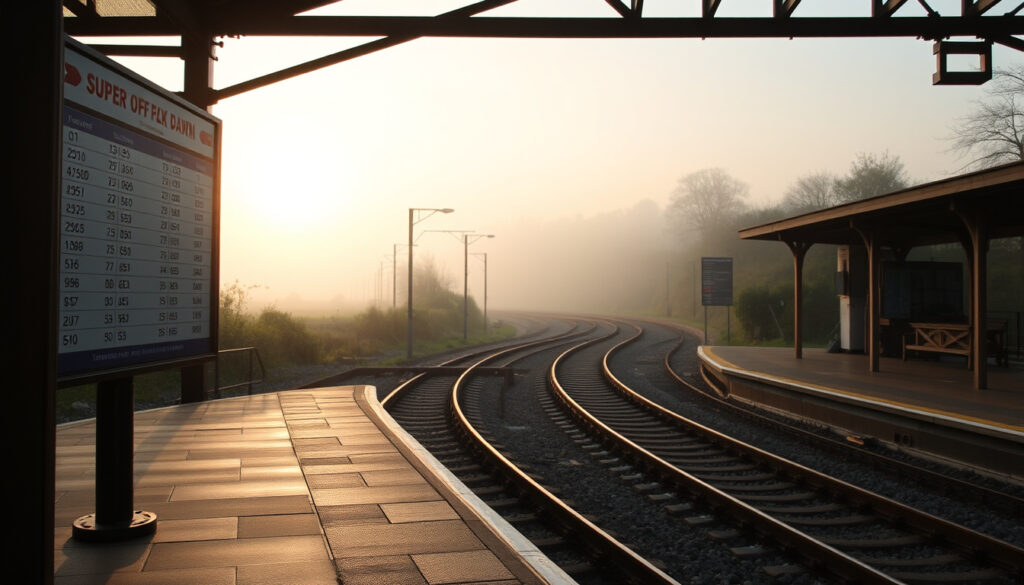
Super Off Peak Times – UK Trains Schedules Operators Savings Guide
Super off-peak times offer some of the most affordable train fares available on UK railways, but understanding exactly when these reduced-price tickets are valid requires careful attention to specific time windows and operator rules. These discounted fares apply during the quietest periods of the day, typically when fewer passengers are traveling, allowing flexible travelers to make significant savings compared to peak-time alternatives.
The distinction between standard off-peak and super off-peak tickets lies primarily in their restrictions. While both offer lower prices than Anytime fares, super off-peak tickets come with narrower time constraints and may limit which specific trains passengers can use. Major operators including Southeastern, South Western Railway, LNER, and Great Western Railway all offer super off-peak options, though the exact windows vary considerably across routes and regions.
For commuters and leisure travelers alike, knowing when these windows open and close can mean the difference between paying standard rates and accessing discounts that, in some cases, reach up to 50 percent below peak pricing. The rules governing these fare bands reflect the complex patterns of passenger demand across the UK rail network.
What Are Super Off-Peak Times?
Super off-peak times refer to specific periods during which railway operators offer their lowest restricted fares. Unlike standard Anytime tickets, which provide complete flexibility to travel on any train, super off-peak tickets restrict passengers to particular time windows when services are least busy. These restrictions enable operators to price tickets more aggressively for underutilized services while still maintaining revenue from peak-hour travelers.
The concept emerged as part of a broader fare structure designed to spread passenger demand more evenly throughout the day. By offering substantial discounts during quieter periods, operators can fill seats that would otherwise travel empty while reducing pressure on overcrowded peak services.
Cheaper fares available on quieter train services outside peak commuting hours.
After 09:30 weekdays in cities, after 10:00 on some routes, all day weekends.
Major operators including Southeastern, SWR, LNER, and GWR.
Up to 50 percent compared to peak Anytime fares on some routes.
How Super Off-Peak Differs from Standard Off-Peak
The key difference between these two fare categories lies in the breadth of the valid travel windows. Standard off-peak tickets generally become available after the morning commuter rush ends and before the evening rush begins, with some restrictions during busy periods throughout the day. Super off-peak tickets narrow these windows further, typically targeting the very quietest periods such as mid-morning through early afternoon and late evening services.
According to National Rail, super off-peak fares add stricter time and route restrictions compared to standard off-peak options. This means passengers holding super off-peak tickets may find themselves unable to travel on certain trains even outside what would normally be considered peak hours, as operators concentrate their discounted pricing on specific services.
- Super off-peak tickets offer the deepest discounts available for flexible travelers willing to plan ahead
- Time windows vary significantly between operators and individual routes, making verification essential
- Some super off-peak tickets require travel on specific trains only
- Advance booking may be required for certain super off-peak fares
- Railcards can provide additional savings on top of super off-peak pricing
- Using invalid trains with a super off-peak ticket can result in fare differences or penalties
Quick Reference: Ticket Type Comparison
| Aspect | Details |
|---|---|
| Peak Times | Mon-Fri 06:30-09:30 and 16:00-19:00 in major cities |
| Standard Off-Peak | Outside peak windows, some restrictions apply |
| Super Off-Peak | Specific quiet periods, typically 10:00-15:30 and after 19:15 on weekdays |
| Available Operators | Southeastern, South Western Railway, LNER, Great Western Railway |
| Weekend Availability | All day off-peak and super off-peak on weekends and bank holidays |
| Child Discounts | Up to 50 percent reduction for children aged 5-15 |
When Are Super Off-Peak Train Times?
Super off-peak times on UK trains follow a predictable daily pattern, though the exact windows shift depending on the day of the week and the specific operator and route. Understanding these patterns helps travelers identify the best opportunities for securing reduced fares while ensuring they can board their intended services.
On weekdays, super off-peak windows typically open after the morning commuter rush subsides and close before evening peak services begin. According to The Trainline, the general pattern shows super off-peak fares available roughly between 10:00 and 15:30, with additional windows after 19:15 on most routes. However, these times represent general guidelines rather than universal rules.
Weekday Super Off-Peak Windows
The morning peak period, during which super off-peak tickets are universally invalid, generally runs from around 06:30 until 09:30 in major cities and large towns. Some smaller stations see the morning peak begin earlier, around 09:00, according to National Rail. Once these morning windows close, super off-peak tickets become valid for travel.
The afternoon and evening windows vary more significantly between operators. Super off-peak tickets typically remain valid through the early afternoon, often until around 15:30 or 16:00, before restrictions tighten again ahead of the evening rush. Evening super off-peak windows generally open once the commuter peak subsides, typically after 19:15, though this varies by route.
LNER offers notably different timing on its London Kings Cross route, with off-peak fares valid between 08:00 and 15:59 and again after 17:45 on Mondays through Thursdays, demonstrating how much policies can differ between operators.
Weekend and Bank Holiday Availability
Super off-peak and standard off-peak fares apply throughout the day on weekends and bank holidays, making these times particularly attractive for leisure travelers seeking reduced fares. With no morning or evening peaks to navigate, passengers can board virtually any train service using their off-peak or super off-peak tickets.
This all-day availability extends to most operators across the National Rail network, though passengers should verify specific restrictions for their intended route. Bank holidays typically follow the same weekend pattern, offering the same flexibility for travelers planning trips around public celebrations or long weekends.
How Super Off-Peak Times Vary by Route
Route-specific patterns emerge from the different commuter behaviors across the country. Busy intercity corridors often feature narrower super off-peak windows because more passengers use these routes throughout the day. Rural and regional routes, conversely, may see earlier and later super off-peak availability since fewer travelers compete for seats during traditional peak hours.
For example, Southeastern services serving London and the southeast of England enforce stricter quiet periods on certain routes compared to operators serving less densely traveled corridors. The LNER website confirms that southbound passengers must arrive into London after 11:17 on weekdays, while northbound travelers should avoid departures before 09:06 or between 14:57 and 18:59.
Which Train Operators Offer Super Off-Peak Tickets?
Several major operators across the UK rail network provide super off-peak ticket options, though the specific terms, conditions, and time windows differ between companies. Understanding which operators offer these tickets and how their restrictions compare helps travelers make informed decisions when planning journeys.
Great Western Railway, one of the largest operators in England, makes super off-peak fares available on most London journeys and many regional services. According to GWR’s terms and conditions, these tickets apply to specific times, days, and routes, with weekend travel permitted on any train. Using a super off-peak ticket on an invalid service requires passengers to pay the fare difference and potentially additional penalties.
Southeastern Railway
Southeastern operates extensive services throughout Kent and the southeast of England, connecting these regions with London terminals including Victoria, Charing Cross, and Cannon Street. The operator’s super off-peak tickets become valid after 09:30 on weekdays, with evening restrictions beginning around 16:29 and continuing until approximately 18:34.
Passengers traveling into London on Southeastern services should note that super off-peak tickets generally do not become valid until around 10:00, slightly later than the outbound morning start time. This reflects the direction of commuter flow, with more restrictions applying to services arriving in the capital during the busy morning period.
Always verify ticket validity using the National Rail Journey Planner or operator-specific tools before traveling, as schedules and restrictions change periodically. What applies today may differ by the time of your next journey.
South Western Railway
South Western Railway serves the southwestern suburbs of London and extends into Hampshire, Surrey, and Dorset. The operator offers super off-peak tickets valid after 09:30 on weekdays, though evening restrictions vary by specific route. Weekend travel with super off-peak tickets presents no time constraints on most services.
LNER Services
LNER manages the popular East Coast Main Line, connecting London with destinations including Leeds, York, Newcastle, Edinburgh, and Aberdeen. The operator’s super off-peak fares operate under notably different conditions than many other services. According to LNER’s ticketing page, southbound passengers must arrive into London after 11:17 on weekdays, while northbound services should be boarded after 09:06 in the morning and after 18:15 in the evening.
Notably, LNER offers all-day Friday super off-peak fares on most routes, making the end of the working week an attractive time for budget-conscious travelers heading in either direction. Advance booking by 23:59 the day before travel is required for some super off-peak fares, though Railcard holders can still purchase these discounted tickets.
Great Western Railway
Great Western Railway operates services across central England, South Wales, and the Southwest, including the iconic route from London Paddington to Bristol and beyond. The operator’s super off-peak fares apply to specific trains and times, with restrictions varying by route and destination.
As detailed on the GWR ticket information page, these tickets offer weekend flexibility not always available on weekday journeys, allowing passengers to board any train on Saturday and Sunday without time-based restrictions.
A Typical Super Off-Peak Travel Day
Understanding the rhythm of a super off-peak travel day helps passengers visualize when they can take advantage of discounted fares. The following timeline represents general patterns that apply across many UK rail services, though specific times vary by operator and route.
- Morning Peak Ends: Approximately 09:30 in major cities and large towns, or 09:00 at smaller stations—this marks when standard off-peak tickets become valid
- Super Off-Peak Window Opens: Generally around 10:00 on most routes, when the deepest discounts become available for the midday travel period
- Midday Travel Period: 10:00 to 15:30 represents the heart of the super off-peak window on many services
- Afternoon Restrictions Tighten: Around 15:30 to 16:00, some super off-peak restrictions resume as evening commuters begin traveling
- Evening Peak Period: Approximately 16:00 to 19:00, when super off-peak tickets are typically invalid on most services
- Super Off-Peak Evening Window: After approximately 19:15, super off-peak tickets become valid again for late-evening travel
These times represent general patterns only. Always verify exact restrictions for your specific journey using the National Rail Journey Planner, as individual operators may enforce significantly different windows.
What Is Established and What Remains Unclear
When planning travel around super off-peak times, passengers benefit from understanding which information is well-established versus which aspects remain subject to variation and uncertainty.
| What Is Clear | What Requires Verification |
|---|---|
| Super off-peak fares offer lower prices than standard Anytime tickets | Exact time windows for specific routes and operators |
| Weekends and bank holidays feature all-day off-peak availability | Whether specific trains accept super off-peak tickets |
| Major operators including GWR, LNER, Southeastern, and SWR offer super off-peak tickets | Advance booking requirements for certain fares |
| Invalid use of super off-peak tickets may result in fare differences or penalties | Current restrictions following timetable changes |
| Railcards provide additional discounts on super off-peak tickets | Regional operator-specific rules not covered by general guidance |
Why Super Off-Peak Fares Exist
The structure of UK rail fares, including the creation of super off-peak pricing tiers, reflects decades of policy development aimed at managing passenger demand across an increasingly congested network. By offering meaningful discounts during quieter periods, operators can influence when travelers choose to journey, potentially reducing crowding during traditional peak hours.
For leisure travelers and those with flexible working arrangements, super off-peak fares represent significant value. A family planning a day trip or tourists exploring the country can save substantial amounts compared to peak pricing, making rail travel more accessible for those whose schedules permit off-peak journeys.
Commuters, conversely, typically find themselves traveling during peak hours out of necessity, meaning they cannot access super off-peak pricing regardless of their preferences. The Seat61 rail guide notes that Advance tickets, which are train-specific and generally even cheaper than super off-peak fares, represent another option for travelers willing to commit to particular services in advance.
Sources and Official Guidance
Travelers seeking the most current and authoritative information on super off-peak times should consult official sources directly. These organizations maintain up-to-date information on restrictions, valid services, and any temporary changes to ticketing policies.
Off-Peak and Super Off-Peak tickets are cheaper fares for less busy times, generally valid after 09:30 weekdays in cities (09:00 elsewhere), outside evening peaks, and all day on weekends/bank holidays; Super Off-Peak adds stricter time/route restrictions for even lower prices.
— National Rail, Off-Peak and Super Off-Peak Tickets
Super Off-Peak tickets have specific times, days, and routes; weekends any train. Invalid use requires paying the difference and potentially a penalty.
— Great Western Railway, Super Off-Peak Terms and Conditions
Key Points to Remember
Super off-peak times represent genuine opportunities for savings on UK rail travel, but accessing these discounts requires understanding the restrictions that come with them. The key to successful super off-peak travel lies in verification: checking specific times, confirming ticket validity, and planning journeys around the quiet windows when these fares apply.
For those with flexible schedules, the savings can be substantial. Families traveling together, tourists planning multi-day explorations, and anyone who can shift their travel times to avoid peak hours will find super off-peak fares offer some of the best value available on the UK rail network. Combining these discounts with Railcard savings can reduce journey costs by half or more compared to standard Anytime pricing.
Bank holidays and weekends provide the most straightforward super off-peak travel opportunities, with all-day availability making advance planning less critical. During these periods, passengers can board most services without worrying about specific time restrictions, though route-specific rules may still apply.
Frequently Asked Questions
Can I travel on any train with a super off-peak ticket?
No. Super off-peak tickets restrict travel to specific time windows and may limit passengers to particular trains. Using an invalid service typically requires paying the fare difference plus potential penalties.
Are super off-peak times the same across all UK operators?
No. Times vary significantly between operators and routes. Always verify restrictions for your specific journey using National Rail’s Journey Planner or the operator’s website.
Can I use a Railcard with super off-peak tickets?
Yes. Railcards provide one-third off most rail tickets, including super off-peak fares. Children aged 5-15 receive up to 50 percent off with child-rate tickets.
Do super off-peak tickets work on weekends and bank holidays?
Generally yes. Most operators offer all-day off-peak and super off-peak availability on weekends and bank holidays, with fewer restrictions than weekday travel.
How much can I save with super off-peak tickets compared to peak fares?
Savings vary by route and operator, but super off-peak fares can reach up to 50 percent below comparable Anytime peak tickets on some journeys.
What happens if I miss my super off-peak train?
Super off-peak tickets generally do not require specific trains, but date and route restrictions apply. Significant changes to your journey may require purchasing a new ticket.
Where can I find official information about super off-peak restrictions?
The National Rail Journey Planner and individual operator websites provide the most current information on restrictions, valid services, and any temporary changes to ticketing policies.
More related posts
 Bedec Multi Surface Paint – Reviews, Application and Specs
 Harriet Tubman: Biography, Disability, and Last Words
 Michael Palin in 2024: Coping with Grief, Health, and Life After Helen
 Robert Pattinson: Biography, Relationships, Career and Net Worth
 Nancy Cartwright: Voice of Bart Simpson, Net Worth & Family Facts
 Richard O’Brien: Gender Identity, Health, and Career Facts
 Wesley Snipes: What Happened, Net Worth, and Current Updates
 Joe Burrow 2025: Contract, Net Worth, Girlfriend, Stats & Updates
