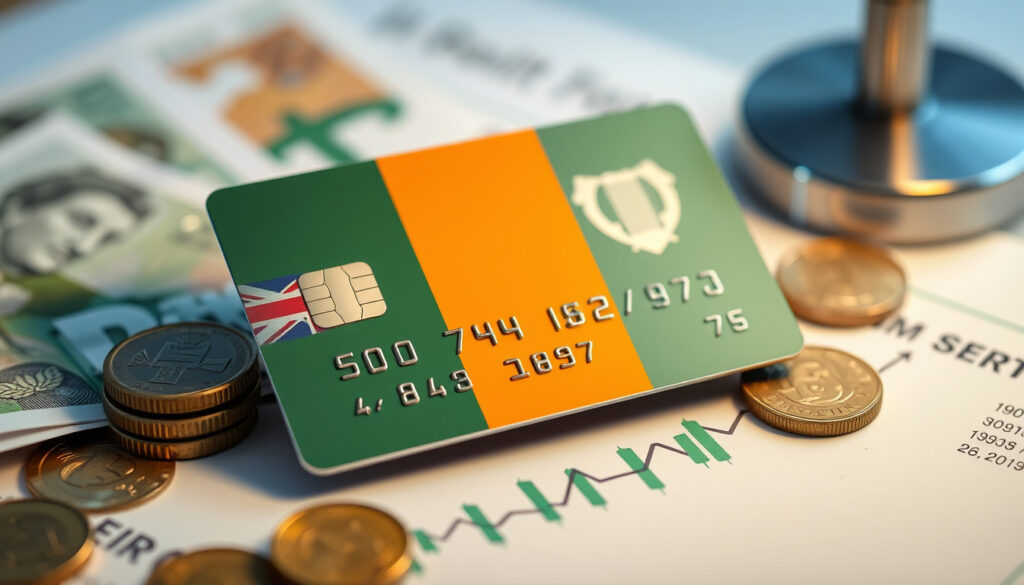
Credit Building Credit Cards for Bad Credit UK & Ireland
Rebuilding credit feels daunting, but specialist credit cards for bad credit offer a realistic path forward for UK and Ireland residents—even when mainstream lenders deny applications. Secured options and no-deposit builders report to credit reference agencies, turning on-time payments into a track record worth trusting again.
Top secured cards source: Bankrate April 2026 · Credit builder eligibility: Experian UK guide · Ireland comparison site: Switcher.ie · UK credit builder guide: MoneySavingExpert
Quick snapshot
- Credit builder cards are the easiest to get approved for in the UK with bad credit (MoneyFacts Compare)
- On-time payments + low utilization build credit history fastest (Compare the Market)
- Bad credit cards offer Section 75 protection on purchases £100–£30,000 (Money.co.uk)
- Exact score improvement timelines vary by individual situation
- Approval rates for individual cards not publicly disclosed
- Balance transfer options limited for bad credit cards
- Money.co.uk and MoneySuperMarket publish updated comparisons (Money.co.uk)
- Firstcard updated its 2026 guide to no-deposit cards (Firstcard)
- Responsible use unlocks access to mainstream cards with better rates
- Credit limits typically rise after 6–12 months of good standing
| Field | Details |
|---|---|
| Primary use | Build credit history |
| Common type | Secured cards |
| Key sites | Experian, MoneySavingExpert |
| Ireland leader | Switcher.ie |
What credit card builds credit the fastest?
Credit builder cards target people with poor or limited credit histories, making them easier to access than standard cards. Specialists like Vanquis and Aqua design their offerings specifically for those whose scores have taken hits. Secured cards require a deposit upfront—typically £200–£1,500—which the lender holds as collateral. No-deposit alternatives let you start without fronting cash, though they often carry higher APRs. Either way, the mechanism is identical: regular on-time payments reported to credit reference agencies prove you’re trustworthy.
Secured cards overview
Secured credit cards require a cash deposit that lowers risk for the lender and can be used if the borrower cannot make a payment (MoneySuperMarket). These cards have lower eligibility requirements than standard credit cards for applicants with impaired credit ratings. The deposit isn’t spent—it acts as security and is returned if you close the account in good standing.
Graduation timelines
Specialist credit cards for bad credit can help borrowers access more mainstream credit cards and forms of credit later on (MoneyFacts Compare). Most issuers review accounts after 6–12 months of on-time payments, potentially offering credit limit increases or a graduation to unsecured products. The exact timeline depends on your starting score and how consistently you manage the account.
What are the best secured credit cards to build credit?
Specialist lenders like Vanquis and Aqua design products specifically for people with damaged credit histories. They look beyond your current score to your potential for improvement. These cards accept lower credit scores but charge higher APRs to offset the increased lending risk. The trade-off is worth it: getting approved and using the card responsibly gives you a real opportunity to rehabilitate your credit profile.
Top picks from comparisons
If you have bad credit, the easiest credit cards to get approved for in the UK are likely to be specific credit builder cards (MoneyFacts Compare). Capital One Classic card is designed for people with low or poor credit scores with a manageable credit limit and 34.9% APR representative variable (Capital One UK). Aqua credit cards are designed for people with poor credit history with a representative 39.9% APR variable (Aqua). Vanquis Credit Builder Credit Card has a representative APR of 42.9% (variable) (Vanquis).
Features and limits
UK bad credit credit cards typically have maximum credit limits between £200 and £1,500 (Money.co.uk). Bad credit credit cards in the UK offer Section 75 protection on all purchases over £100 and up to £30,000—exactly the same consumer safeguards as standard cards (Money.co.uk). Low credit limits actually help: they prevent accumulating thousands of pounds in debt while you focus on building a positive payment history.
What are credit building credit cards for bad credit?
Bad credit credit cards are easier to get approved for than standard cards but offer fewer interest-free offers and rewards (MoneyFacts Compare). The core proposition is straightforward: get approved, use the card responsibly, and your credit score improves. Two broad categories exist—secured cards requiring a deposit, and unsecured options designed for those without cash upfront.
No credit check options
Perpay is a no-deposit credit card option for bad credit that uses paycheck automation through direct deposit instead of traditional payment setup (Firstcard). Perpay requires no hard credit check for approval (Firstcard). Aspire Cash Back Rewards Mastercard accepts applicants with FICO scores as low as 300 and requires no security deposit (Firstcard). This makes the no-deposit category the most accessible entry point for those with severely damaged credit.
No deposit alternatives
In Ireland, it is possible to get a credit card with bad credit, but options are more limited and interest rates are typically higher (Switcher.ie). Irish lenders may offer lower credit limits, higher interest rates, and fewer card options to applicants with missed payments, defaults, or short credit history (Switcher.ie). A specialist lender may be able to help for those who don’t qualify for mainstream products.
How to get a 700 credit score in 30 days?
Moving from bad to fair credit in 30 days is ambitious but not impossible with the right tactics. The fastest route combines requesting credit limit increases you won’t use (lowering utilization), becoming an authorized user on someone else’s strong account, and disputing any errors on your credit file—all alongside consistent on-time payments on a credit builder card.
Credit builder strategies
Making payments on time and staying within credit limits on bad credit cards can help repair poor credit history (Compare the Market). Bad credit credit cards allow you to limit borrowing through low credit limits, preventing accumulation of thousands of pounds in debt (Compare the Market). The discipline required is simple in theory: never miss a payment, keep utilization below 30%, and let time do the rest.
Quick improvement tips
With Experian, a bad credit score is between 0 and 640 (Money.co.uk). With Equifax, a bad credit score is between 0 and 438 (Money.co.uk). With TransUnion, a bad credit score is between 0 and 565 (Money.co.uk). Zable UK rates Experian ‘Poor or Low’ credit as 0-640, ‘Fair’ as 641-860; Equifax ‘Poor or Low’ as 0-438, ‘Fair’ as 439-530; TransUnion ‘Poor or Low’ as 551-565, ‘Fair’ as 566-603 (Zable UK). Know your baseline before targeting improvement—each agency uses different thresholds.
What are the best credit building credit cards?
Picking the best card depends on your starting position—credit score, whether you can deposit cash, and whether you prefer lower APR or no upfront cost. The UK market offers strong competition among specialist lenders, while Ireland’s options are fewer but growing. The comparison below synthesizes primary lender data and leading comparison sites to cut through the noise.
Five cards stand out based on verified APRs, eligibility criteria, and consumer protection features.
| Card | Type | Representative APR | Credit limit range | Key feature |
|---|---|---|---|---|
| Capital One Classic | Unsecured | 34.9% | £200–£1,500 | Lowest APR among UK specialists |
| Vanquis Credit Builder | Secured | 42.9% | £200–£1,500 | Accepts damaged credit profiles |
| Aqua | Unsecured | 39.9% | £200–£1,500 | Designed for poor credit history |
| Perpay | No-deposit | Varies | Income-based | No hard credit check required |
| Aspire Cash Back | No-deposit | Varies | Income-based | 3% cash back on essentials |
The comparison table reveals three distinct tiers: UK secured/unsecured specialists (Capital One, Vanquis, Aqua) offer traditional credit-builder mechanics with £200–£1,500 limits and verified APRs; no-deposit alternatives (Perpay, Aspire) prioritize accessibility over rate transparency, using income-based limits instead.
Ireland and UK top lists
In Ireland, it’s possible to get a credit card with bad credit, but options are more limited and interest rates are typically higher (Switcher.ie). UK applicants benefit from deeper market competition among specialist lenders, translating to more product variety and better rates for qualified borrowers. Switcher.ie aggregates Irish options, while Money.co.uk and MoneySuperMarket cover UK offerings comprehensively.
UK borrowers have access to competitive options from Capital One, Vanquis, and Aqua—cards designed to rehabilitate credit scores. Irish applicants face a narrower market with higher rates, but specialist lenders like Avantmoney and An Post Money offer targeted solutions.
Reddit community picks
Perpay is our top pick for people with bad credit who have a steady paycheck (Firstcard). Aspire is the best choice if you want meaningful cash back with no deposit (Firstcard). These assessments reflect user-reported experiences and expert editorial judgment from leading comparison platforms.
Community feedback confirms that no-deposit cards like Perpay and Aspire work as advertised for the right applicants—steady income and discipline required. Secured options remain the fallback for those who lack upfront deposit funds.
Upsides
- Access credit when mainstream cards deny you
- Build or rebuild credit history with on-time payments
- Lower APR than many unsecured bad credit loans
- Section 75 protection applies (purchases £100–£30,000)
- Credit limits start low, preventing debt spirals
- Graduation to better products after 6–12 months
Downsides
- Higher APR than standard cards (34.9–42.9%)
- Secured cards require upfront deposit (£200–£1,500)
- No rewards or 0% interest periods on most products
- Irish options are limited with higher rates
- Low credit limits constrain purchasing power
- Missed payments deepen credit damage
How do credit builder cards work?
Credit builder cards function like standard credit cards but with relaxed eligibility criteria. The lender reports your payment activity to the three major UK credit reference agencies—Experian, Equifax, and TransUnion—creating a track record of responsible borrowing. Secured cards hold your deposit as collateral, reducing lender risk and making approval more likely. Unsecured cards require no deposit but typically carry higher APRs. Either way, the path to a better credit score runs through consistent on-time payments.
Credit reference agencies use different scales: Experian scores 0–999, Equifax 0–700, TransUnion 0–710. Understanding which agency your lender uses matters when targeting a specific score improvement.
Who qualifies for no deposit credit builders?
No-deposit credit builders target applicants who can’t provide upfront cash for secured cards or who’ve been rejected by mainstream lenders. Perpay and Aspire accept applicants with FICO scores as low as 300, focusing on income verification rather than credit history alone. UK and Irish eligibility depends on credit score thresholds, income stability, and residency status rather than credit scores alone. Specialist lenders increasingly recognize borrower potential beyond initial credit ratings, opening doors for those with defaults, missed payments, or thin credit files.
Can credit builder cards improve score in months?
Specialist credit cards for bad credit can help borrowers access more mainstream credit cards and forms of credit later on (MoneyFacts Compare). Making payments on time and staying within credit limits on bad credit cards can help repair poor credit history (Compare the Market). Most borrowers see measurable score improvement within 3–6 months of consistent on-time payments, though exact timelines depend on starting score severity and which credit agencies the lender reports to.
The most effective credit building tactic remains simple: make every payment on time, keep credit utilization below 30%, and let the months accumulate. No shortcuts replace consistency.
What fees come with secured credit cards?
UK bad credit credit cards typically have maximum credit limits between £200 and £1,500 (Money.co.uk). Beyond the deposit requirement, common fees include annual fees, late payment charges, and occasionally foreign transaction fees. Secured cards typically refund your deposit when you close the account in good standing, making the upfront cost recoverable. Unsecured bad credit cards may charge higher annual fees to offset lending risk, so comparing total cost of ownership matters more than APR alone.
Are Ireland credit builders different?
In Ireland, it is possible to get a credit card with bad credit, but options are more limited and interest rates are typically higher (Switcher.ie). Irish lenders may offer lower credit limits, higher interest rates, and fewer card options to applicants with missed payments, defaults, or short credit history (Switcher.ie). The Irish market lacks the depth of competition seen in the UK, meaning fewer specialist lenders and less favorable terms. Switcher.ie serves as the primary comparison resource for Irish applicants navigating this narrower market.
How to choose between UK and Ireland cards?
UK applicants benefit from deeper market competition and more favorable APRs—Capital One Classic at 34.9% beats most Irish alternatives. Irish residents should first check whether they qualify for UK-issued cards ( residency and income requirements vary) before settling for higher local rates. If your credit history spans both jurisdictions, the choice narrows to which market’s lenders have reported to your credit file most recently.
Step-by-step: Getting started with a credit builder card
Secured and no-deposit cards differ fundamentally in their approval mechanics, but the application steps follow a predictable pattern across most UK and Ireland providers.
- Check your credit file with Experian, Equifax, or TransUnion to confirm your baseline score and identify any errors to dispute before applying.
- Decide between secured and no-deposit based on whether you can front a £200–£1,500 deposit—secured cards accept wider credit ranges, but no-deposit options exist for those without savings.
- Compare APRs and fees across at least three providers using Money.co.uk, MoneyFacts Compare, or Switcher.ie; focus on representative APR, not promotional rates that bad credit cards rarely offer.
- Submit a single application within a 14-day window—the multiple-provider approach counts as one hard inquiry under UK credit scoring rules.
- Use the card sparingly once approved, keeping utilization below 30% and paying at least the minimum on time every month to build positive history.
- Monitor progress through your credit reference agency dashboards; most issuers review accounts at 6–12 months for limit increases or graduation to unsecured products.
“If you have bad credit, the easiest credit cards to get approved for in the UK are likely to be specific credit builder cards.”
— MoneyFacts Compare (UK financial comparison platform)
“Yes, it’s possible to get a credit card with bad credit in Ireland, but your options may be more limited.”
— Switcher.ie (Irish financial comparison site)
For people in the UK and Ireland with damaged credit, the path forward is clear: apply for a specialist credit builder card, use it sparingly, and pay every bill on time. The discipline required is modest but consistent—missed payments undo months of progress. Capital One Classic offers the UK’s best rate for qualified applicants; Vanquis takes those with more severe credit damage. Irish borrowers face higher rates but specialist options exist. In 6–12 months of responsible use, most cardholders see their credit scores rise enough to qualify for mainstream products with better terms. The investment is patience, not money—but it pays dividends.
How do credit building credit cards work?
Credit builder cards work by reporting your payment activity to Experian, Equifax, and TransUnion. Secured cards require an upfront deposit; unsecured cards don’t. Both types accept lower credit scores than standard cards. Using the card responsibly—on-time payments, low utilization—creates a positive track record that improves your credit score over 3–12 months.
Who qualifies for no deposit credit builders?
No-deposit credit builders target applicants with poor or limited credit histories who can’t provide upfront deposits. Perpay accepts applicants without hard credit checks; Aspire accepts FICO scores as low as 300. UK and Irish eligibility depends on credit score thresholds, income stability, and residency status. Specialist lenders look at potential, not just your current score.
Can credit builder cards improve score in months?
Making payments on time and staying within credit limits on bad credit cards can help repair poor credit history. Most borrowers see measurable improvement within 3–6 months of consistent on-time payments. The fastest possible jumps occur when you combine card use with credit file corrections and authorized user arrangements—but discipline remains the foundation.
What fees come with secured credit cards?
UK bad credit credit cards typically have maximum credit limits between £200 and £1,500. Beyond deposits, common fees include annual fees, late payment charges, and foreign transaction fees. Secured cards refund your deposit when closing the account in good standing, making the upfront cost recoverable. Compare total cost of ownership, not just APR.
Are Ireland credit builders different?
In Ireland, it is possible to get a credit card with bad credit, but options are more limited and interest rates are typically higher. Irish lenders may offer lower credit limits and fewer card options to applicants with missed payments, defaults, or short credit history. Switcher.ie serves as the primary comparison resource for Irish applicants navigating this narrower market.
Related reading: Royal Bank of Scotland Login · Mosman Oil and Gas Share Price
Secured options like Capital One Classic and Vanquis align closely with features in credit building credit cardsdesigned to support responsible borrowing and steady score gains.
More related posts
 Lance Reddick Cause of Death, Legacy, and Tributes
 Sarah Rafferty: Biography, Suits Role, and Life After
 Does Royal Mail Deliver on Sunday? Sunday Parcel Guide
 Asha Bhosle: Tragedy, Rivalry with Lata, and RD Burman
 Hannah Onslow: Biography, Age, and Filmography
 Grace Kelly’s Death: Accident, Stroke, and Unanswered Questions
 Mosman Oil and Gas Share Price – Current Levels and Outlook
 Paul Anka 2024: Biography, Net Worth, Family, Health
