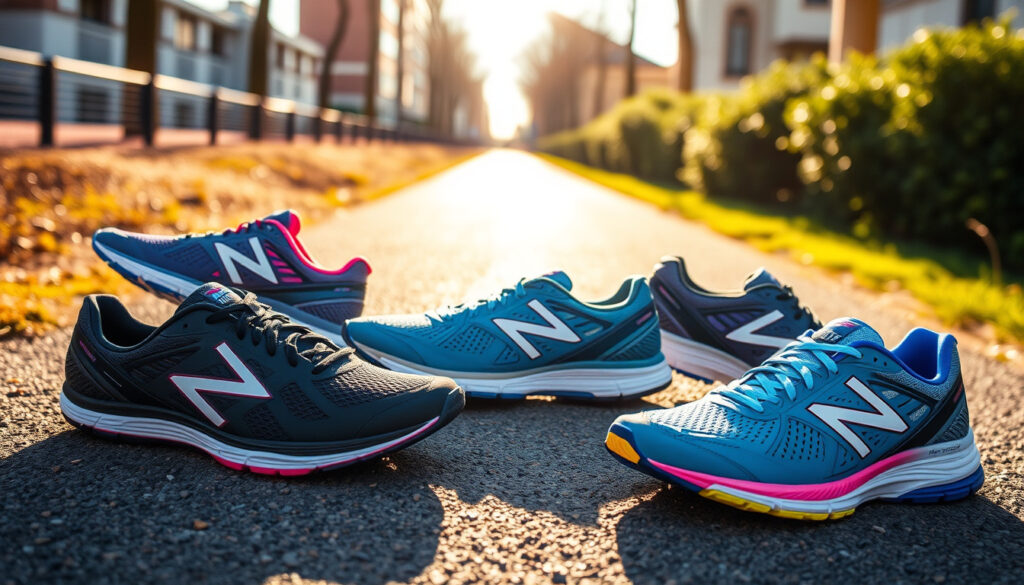
New Balance Running Trainers – Top Models for Every Runner
New Balance has built a reputation for delivering running trainers that balance cutting-edge cushioning technology with accessible sizing options and versatile performance. From the plush comfort of the Fresh Foam X 1080 to the explosive energy return of FuelCell racers, the brand offers options for every level of runner. This guide examines the top models, fit considerations, and technology differences to help you choose the right trainer for your goals.
Whether you are lacing up for your first run or logging weekly marathons, New Balance provides a numbered series that has become synonymous with reliability. The 1080, 880, and 860 lines serve different needs, while FuelCell models target those seeking speed and competition-ready performance.
What Are the Best New Balance Running Trainers?
Reviews from RunRepeat, Runner’s World, and Running Shoes Guru consistently highlight these models as the standouts based on lab tests, wear trials, and extensive runner feedback.
Top Models Overview
Cushioning: Max plush
Drop: 6mm
Best for: Daily and long runs
Cushioning: Responsive
Drop: 6mm
Best for: Tempo and speed training
Cushioning: High stack
Drop: Standard
Best for: Racing and PRs
Cushioning: Supportive
Drop: Standard
Best for: Beginners and everyday use
Key Takeaways
- The Fresh Foam X 1080 v15 earns top marks for its plush comfort and lightweight feel, making it ideal for daily training and long-distance runs
- FuelCell models deliver firmer, snappier energy return suited for tempo runs and racing rather than recovery sessions
- New Balance offers wide sizing options (2E/4E) across most models, accommodating runners with broader feet
- The 1080 v15 runs true to size with a breathable upper, while the Rebel v5 offers a slightly snuggier fit
- The numbered series (1080, 880, 860) provides reliable daily trainers, with FuelCell reserved for advancing runners
- Beginners benefit most from the 880 v15 or 680 v9 for cushioned, durable entry-level training
- Carbon-plated racers like the SuperComp Elite v5 feature superior wet grip and propulsion for competition
Model Specifications
| Model | Best For | Key Features | Weight (Men’s US9) | Drop | Rating |
|---|---|---|---|---|---|
| Fresh Foam X 1080 v15 | Overall/Daily/Long Runs | Plush Fresh Foam midsole, breathable upper, lightweight | ~9-10 oz | 6mm | 9.0+ |
| FuelCell Rebel v5 | Tempo/Speed Training | Featherlight, responsive FuelCell foam, agile low stack | 7.8 oz (220g) | 6mm | 9.0 |
| FuelCell SuperComp Elite v5 | Racing | High stack, Energy ARC carbon plate, superior traction | Varies | Varies | Top racer |
| FuelCell SuperComp Pacer v2 | Energy Return/Tempo | Explosive responsiveness, light and airy build | Light | Varies | Best energy return |
| Fresh Foam X 860 v14 | Stability/Support | Stable midsole, comfortable daily ride | 10.5 oz | 8mm | 9.0 |
| Fresh Foam X 880 v15 | Beginners/Value | Soft supportive cushioning, durable, versatile | Varies | Standard | Best overall/value |
| Fresh Foam 680 v9 | Budget Training | Soft cushioning, durable for miles | Varies | Standard | Best value |
Are New Balance Good for Running?
The evidence strongly supports that New Balance produces quality running trainers suited to various distances and running styles. Lab tests and wear trials confirm that the brand excels in cushioning technology, particularly with Fresh Foam X in the 1080 and 880 lines.
Performance Across Different Run Types
Runners seeking comfortable daily training often gravitate toward the Fresh Foam X 1080 v15, which delivers plush landings and energetic rides over extended periods. The midsole absorbs impact effectively while maintaining responsiveness throughout long runs.
For those focused on speed work, FuelCell models like the Rebel v5 provide a firmer feel that translates into quicker turnover. Reviewers note the Rebel feels approximately 17% lighter than average, offering agility that suits uptempo sessions and shorter fast distances.
Racing specialists find the SuperComp Elite v5 delivers superior traction at 0.61 wet grip levels, making it reliable for race day conditions. The Energy ARC carbon plate generates snappy propulsion that helps runners push personal records.
Expert reviews consistently rate New Balance among the top running shoe brands, citing the balance of cushioning, durability, and diverse sizing options as key strengths for runners at all levels.
How Do New Balance Running Trainers Fit?
New Balance distinguishes itself through comprehensive sizing options that accommodate foot shapes often underserved by other brands. The availability of 2E and 4E widths across models like the 1080, 880, and 860 means runners with wider feet can find properly fitting trainers without sacrificing performance technology.
Fit by Model
The Fresh Foam X 1080 v15 runs true to size with a wide-friendly upper that provides secure lockdown. Reviewers note the accommodating toe box prevents the pinching that occurs in narrower competitors.
The FuelCell Rebel v5 fits slightly snuggger through the midfoot while maintaining breathable comfort. Its lightweight build suits narrower feet better, though wide options exist for those needing additional room.
The Fresh Foam X 880 v15 receives praise as a beginner staple with what reviewers describe as a friendly fit. For long runs where feet typically swell, consider trying a half-size up to accommodate this natural expansion.
Recommendations for Specific Needs
Runners prioritizing wide-fit comfort should focus on the 1080 v15 or 860 v14, both offering plush uppers that do not restrict movement. Those new to running benefit from the stable base and forgiving cushioning of the 880 v15, which handles daily training without overwhelming technology.
If you are wondering should you pop a blister from new running trainers, proper fit is the first line of prevention. The break-in period varies, but New Balance trainers generally adapt quickly when sizing matches your foot shape.
Controlled tests confirm that New Balance sizing runs consistently true across the numbered series. Wide options maintain the same performance characteristics as standard widths, allowing runners to choose their preferred fit without compromising cushioning or stability.
New Balance FuelCell vs Fresh Foam: Which for Running?
Understanding the distinction between these two cushioning technologies helps runners select the appropriate trainer for their training goals and running style.
Cushioning and Ride Characteristics
Fresh Foam X prioritizes plush comfort through its engineered foam structure. The Fresh Foam midsole delivers soft landings that absorb impact effectively, making it ideal for easy runs and recovery sessions where comfort matters most.
FuelCell technology uses PEBA/EVA blend foams that create a firmer, more responsive feel. The energy return properties generate snappier propulsion, translating into faster-feeling runs that suit tempo work and racing where a livelier ride benefits performance.
Use Case Recommendations
- Daily Training: Fresh Foam X models (1080, 880, 860) provide reliable comfort for consistent mileage
- Tempo Runs: FuelCell Rebel v5 or SuperComp Pacer v2 offer responsive cushioning for faster sessions
- Racing: FuelCell SuperComp Elite v5 with carbon plate maximizes propulsion and energy return
- Recovery: Fresh Foam X 1080 v15 delivers the plushness needed for low-intensity days
The Rebel v5 earns praise as fun and snappy for shorter fast distances, while the 1080 v15 edges out for all-day plushness but feels less explosive than the FuelCell Pacer v2. Progressing beginners often benefit from starting with Fresh Foam before transitioning to FuelCell for speed work.
Carbon-plated racers like the SuperComp Elite v5 feature a snug, performance-focused fit that may not suit wider feet initially. Build mileage in supportive trainers before racing in super-light models to allow your feet and legs to adapt.
The Evolution of New Balance Running Trainers
New Balance has developed its running trainer lineup over decades, refining technology and expanding options to serve runners at every level.
- 1960s: Founded in Boston, New Balance establishes itself with quality athletic footwear
- Early 2000s: Introduction of the Fresh Foam platform marks a shift toward data-driven cushioning
- 2010: Launch of the 1080 series establishes the flagship daily trainer line
- 2019: FuelCell technology debuts, targeting performance runners seeking energy return
- 2024: Latest v15 and v5 iterations feature updated foams and breathable upper designs
- 2026: Current models like the Fresh Foam X 1080 v15 and FuelCell Rebel v5 represent the most refined versions
The numbered series (1080, 880, 860) has become the foundation of New Balance’s running trainer range, each serving distinct purposes from maximum cushioning to stability support. Meanwhile, FuelCell continues to push boundaries for speed-focused athletes.
What Is Confirmed vs Uncertain About New Balance Trainers?
Reviewers and lab tests have established clear facts about these trainers, though some areas remain dependent on individual experience.
| Established Information | Variable Factors |
|---|---|
| Fresh Foam X 1080 v15 rates 9.0+ across multiple review platforms | Break-in period varies by foot shape and running style |
| FuelCell Rebel v5 weighs 7.8 oz, approximately 17% lighter than average | Long-term durability depends on mileage and terrain |
| Wide sizing (2E/4E) available across main models | Wet grip performance varies with surface conditions |
| Carbon plate models provide superior propulsion for racing | Personal comfort preferences require testing before commitment |
| 880 v15 recommended as best value for beginners | Color availability changes seasonally |
The confirmed specifications and ratings come from controlled lab testing and extended wear trials by multiple independent reviewers. Individual comfort depends on foot shape, running gait, and personal preferences that only testing can reveal.
How Do New Balance Trainers Compare to Other Brands?
New Balance occupies a distinctive position in the running footwear market, combining American manufacturing heritage with modern cushioning technology. The brand’s commitment to wide sizing sets it apart from competitors who focus primarily on standard widths.
The Fresh Foam X 1080 frequently appears in best running shoe roundups alongside premium competitors, often praised for delivering similar plush comfort at competitive price points. The 880 v15 specifically earns recognition as an accessible entry point that does not compromise on quality.
For runners tracking performance, the RunRepeat catalog provides detailed comparisons that place New Balance models within broader market context, helping buyers understand how each trainer stacks up against direct competitors.
What Do Experts Say About New Balance Running Trainers?
“The Fresh Foam X 1080 v15 stands out as the top overall running trainer, praised for its plush comfort, lightweight build, and ventilation, making it ideal for daily and long runs.”
— RunRepeat and Runner’s World reviews
“The FuelCell Rebel v5 feels 17% lighter than average, offering more agile handling that suits uptempo training and faster sessions.”
— Running Shoes Guru analysis
“New Balance’s numbered series (1080/880/860) provides reliability in daily use, with FuelCell reserved for advancing runners seeking speed-specific performance.”
— Doctors of Running buyer’s guide
Organizations like the Road Runners Club of America and running forums provide additional runner feedback that complements professional reviews, offering real-world perspectives on durability and long-term performance.
Which New Balance Running Trainer Should You Choose?
Selecting the right trainer depends on your experience level, running goals, and foot shape. The Fresh Foam X 1080 v15 works as a versatile option that handles most training needs, while the 880 v15 serves as an accessible entry point for beginners.
Those focused on improving speed should consider the FuelCell Rebel v5 for tempo work, reserving the SuperComp Elite v5 for race day when carbon plate propulsion provides meaningful benefit. Wide-foot runners can confidently choose from the 1080 or 860 lines, both offering accommodating fits without sacrificing performance.
For additional guidance on race preparation and equipment care, see the Rugby Autumn Internationals 2025 schedule and guide for context on how athletes at all levels approach equipment selection.
What is the best New Balance shoe for running?
The Fresh Foam X 1080 v15 earns the highest ratings across multiple reviews for its plush comfort, lightweight feel, and versatility suitable for daily and long runs.
Are New Balance 1080 good for running?
Yes, the 1080 v15 consistently scores 9.0+ in lab tests and wear trials, with reviewers praising its cushioning, breathable upper, and true-to-size fit for runners seeking maximum comfort.
Best New Balance trainers for beginners?
The Fresh Foam X 880 v15 or 680 v9 provide cushioned, durable entry-level training with forgiving technology and stable bases suited for runners building mileage.
Do New Balance running trainers run true to size?
Lab tests confirm consistent sizing across the numbered series, with most models running true to size. The 1080 v15 specifically offers wide-friendly fits, while the Rebel v5 runs slightly snugger.
Which is better: FuelCell or Fresh Foam?
Fresh Foam prioritizes plush comfort for daily and recovery runs, while FuelCell delivers firmer, snappier energy return suited for tempo training and racing. Choose based on your training focus.
Are New Balance good for wide feet?
New Balance excels in wide sizing with 2E/4E options across models like the 1080, 880, and 860, featuring accommodating toe boxes and secure lockdown for broader foot shapes.
What is the lightest New Balance running trainer?
The FuelCell Rebel v5 weighs 7.8 oz (220g), approximately 17% lighter than average running trainers, making it one of the lightest options in the current lineup.
Are New Balance FuelCell shoes worth it for racing?
For competition, the SuperComp Elite v5 with Energy ARC carbon plate provides superior propulsion and 0.61 wet grip, making it worth the investment for runners targeting personal records.
More related posts
 Charli XCX Biography: Age, Ethnicity, and Personal Life
 Scottie Scheffler: Net Worth, Wife, and 2024 Arrest Explained
 Niki Lauda Crash, Lung Transplants, and Enduring Legacy
 Royal Challengers Bengaluru vs Chennai Super Kings Match Scorecard – IPL 2024 Full Result and Key Stats
 Kelly Osbourne: Weight Loss, Sobriety, and Motherhood
 Mick McCarthy: Career, Roy Keane Feud & Biography
 Nancy Shevell: Paul McCartney’s Wife and Her Own Story
 Alexis Warr: Husband, Age, and Strictly Come Dancing Career
