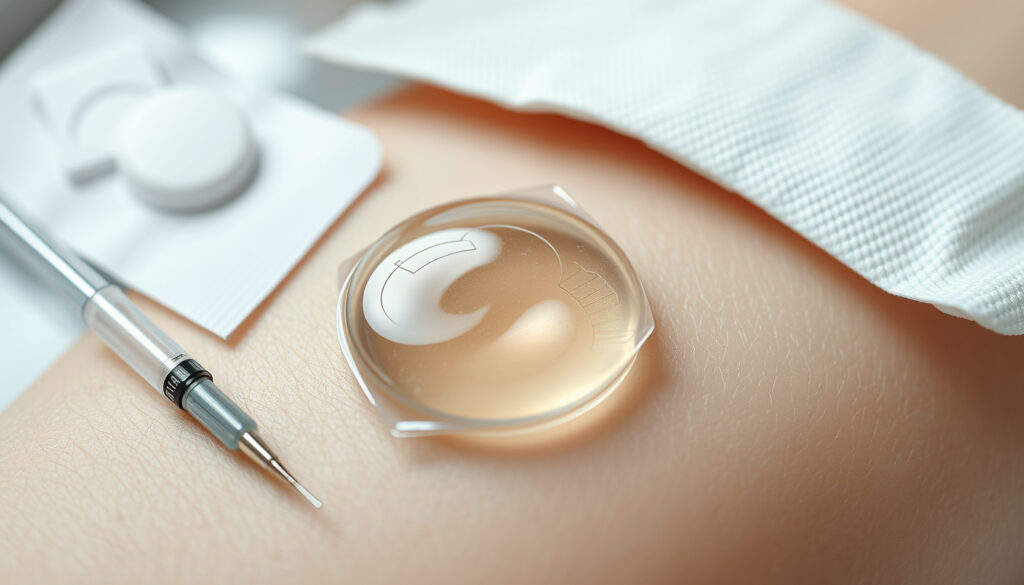
Should You Pop a Blister – Risks, Care and Safe Draining
Blisters are a common skin condition that most people encounter at some point, whether from new shoes, physical labor, or accidental burns. The urge to pop them can be strong, especially when they cause discomfort. However, medical guidance consistently advises against this impulse in most circumstances. Understanding the reasoning behind this recommendation can help prevent complications and promote faster healing.
The fluid-filled pocket that forms beneath the skin serves a specific biological purpose. Leaving it intact generally leads to better outcomes than intervening with a needle or other tools. This article examines the evidence, outlines when exceptions might apply, and provides practical guidance for those dealing with blisters of various types.
Should You Pop a Blister?
The short answer from medical organizations is no for most blister types. The fluid inside a blister acts as a natural protective barrier, cushioning the raw skin underneath while reducing infection risk and promoting healing. According to the NHS, the overlying skin functions as a sterile covering that should generally remain undisturbed.
Do not pop intact blisters
Infection and delayed healing
Large, painful friction blisters only
Cover, protect, and monitor
- The blister fluid provides natural cushioning and protection for damaged skin beneath
- Popping removes this sterile barrier, exposing sensitive tissue to bacteria
- Undisturbed blisters typically heal faster than drained ones
- Small friction blisters often resolve within 3-7 days without intervention
- Larger blisters may take 1-2 weeks when properly protected
- Different blister types require different handling approaches
- Certain populations face higher risks from popping, including people with diabetes
| Fact | Detail | Source Type |
|---|---|---|
| Healing Time | 3-7 days for small blisters when left intact | Medical organizations |
| Infection Signs | Redness, swelling, pus, foul odor, fever | Health guidelines |
| Pop Risk | Scar tissue formation and delayed healing | Clinical studies |
| Protection Method | Moleskin or padded bandage over intact blister | Dermatology sources |
| Natural Burst Care | Clean, apply ointment, bandage without peeling skin | Medical guidelines |
What Happens If You Pop a Blister?
Popping a blister removes the natural protective barrier that the skin has created. Research from medical groups indicates that this intervention increases pain, delays healing, and raises the risk of bacterial infection, particularly if the affected area becomes dirty or experiences further irritation.
The overlying skin acts as what physicians describe as a “natural Band-Aid.” Tearing or puncturing this layer exposes the sensitive tissue underneath to environmental contaminants. Cleveland Clinic dermatologists note that the exposed raw skin is more susceptible to damage and infection than the blistered area would have been intact.
Watch for redness extending beyond the blister, red streaks, increasing swelling, warmth around the area, yellow or green pus discharge, foul odor, fever, or worsening pain. These symptoms require prompt medical attention, especially in individuals with compromised immune systems or circulation issues.
Who Faces Higher Risks?
Certain individuals should never attempt to pop a blister under any circumstances. Those with diabetes, poor circulation, immune suppression, HIV, or cancer face significantly elevated risks of complications. Healthcare professionals advise that these populations seek medical guidance for any blister that does not heal normally or shows signs of infection.
When Should You Pop a Blister?
Draining a blister may be considered only in specific circumstances involving large, painful friction blisters. WebMD advises that this exception applies when the blister is likely to rupture on its own anyway and the person has no high infection risk factors.
The critical distinction is between draining and popping. Medical guidance consistently recommends draining fluid through a small puncture while leaving the blister roof intact. Full removal of the overlying skin is never recommended.
Friction blisters: May consider draining if large and painful. Burn blisters: Never drain—seek medical care. Infectious blisters (shingles, chickenpox, impetigo): Never drain—fluid is contagious. Blood blisters: Rarely, and only under medical supervision. Insect bite blisters: Do not drain—protect like friction blisters.
Situations Where Popping Is Never Appropriate
- Burn blisters of any kind, including sunburns and thermal burns
- Blisters caused by infectious conditions such as cold sores, shingles, chickenpox, or impetigo
- Blood blisters that form under pressure without clear friction cause
- Blisters appearing in people with diabetes, poor circulation, or immune suppression
- Any blister with uncertain cause or associated with a new skin condition
- Blisters from chemical exposure or electrical burns
How to Treat a Blister Without Popping
Proper care of an intact blister involves protection, cleanliness, and monitoring. Dermatology experts recommend covering the blister with a loose, padded bandage or moleskin to cushion the area and prevent additional friction.
Keeping the blister clean and dry supports the natural healing process. Most friction blisters heal within 3-7 days when protected from further irritation. CityMD physicians suggest reducing rubbing by changing shoes or socks and using padding to alleviate pressure on affected areas.
If a blister bursts on its own, do not peel away the overlying skin. Allow the fluid to drain naturally, then gently clean the area with soap and water. Apply an antibiotic ointment if desired and cover with a sterile bandage. Replace the bandage daily until healing is complete.
The key principles for blister care without intervention include consistent protection from friction, maintaining cleanliness to prevent infection, and avoiding the temptation to pick at or peel the blister edges. Monitoring for signs of infection ensures prompt medical attention if complications develop.
When to Change Your Approach
Reducing friction is often the most effective intervention for foot blisters. Switching to better-fitting shoes, using moisture-wicking socks, and applying protective padding can prevent worsening while the blister heals naturally. Those experiencing recurrent blisters in the same location may benefit from addressing underlying causes such as improper footwear or repetitive motions. Maintaining overall health through proper nutrition and weight management supports skin integrity and healing capacity.
How to Pop a Blister Safely If Necessary
When draining becomes necessary due to size and discomfort, following proper technique minimizes risks. Medical professionals outline a stepwise approach that prioritizes sterility and preservation of the blister roof.
First, sterilize a small needle by wiping it thoroughly with rubbing alcohol. Clean the blister and surrounding skin using soap and water or an alcohol pad. Then gently pierce the edge of the blister—never the center—to allow fluid to escape while keeping the roof intact.
- Sterilize a small needle with rubbing alcohol
- Clean the blister and surrounding skin thoroughly
- Pierce the edge gently to drain fluid, leaving the roof intact
- Clean again and apply antibiotic ointment if desired
- Cover with a sterile bandage or petroleum jelly
- Replace the bandage daily until healed
After draining, apply petroleum jelly or a thin layer of antibiotic ointment to keep the area moist. Cover with a sterile, non-adhesive bandage. Monitor closely for signs of infection and seek medical attention if redness, swelling, or discharge develops.
Blister Healing Timeline
Understanding the expected progression helps set realistic expectations for recovery. Most friction blisters progress through predictable stages when left undisturbed or properly protected.
- Formation (Day 0): Friction or burn causes layers of skin to separate, with fluid accumulating between them
- Protection Phase (Days 1-3): The blister roof forms a sterile barrier; the body works to repair underlying tissue
- Active Healing (Days 4-7): New skin grows beneath the blister; fluid gradually reabsorbs
- Resolution (Days 7-14): The blister roof dries and separates; new skin thickens
Larger blisters or those in high-friction areas may require additional time. Proper protection during the healing process significantly influences how quickly resolution occurs. Blisters that are continually irritated or exposed may take considerably longer to heal.
What We Know Versus What Remains Uncertain
| Established Information | Information That Remains Unclear |
|---|---|
| Popping increases infection risk in most cases | Exact statistical increase in infection rates from popping |
| Intact blisters generally heal faster | Optimal drainage technique variations |
| Certain populations face higher complications | Long-term outcomes of healed versus drained blisters |
| Protection and cleanliness aid healing | Role of climate or altitude in blister healing |
| Different types require different handling | Effectiveness of various padding materials |
Understanding Blister Types and Their Causes
Blisters form through various mechanisms, and understanding the cause influences appropriate care. Friction blisters develop from repeated rubbing, typically from ill-fitting shoes or physical activity. The NHS notes that these are the most common type and respond best to protective measures rather than drainage.
Burn blisters result from thermal, chemical, or radiation damage to the skin. The fluid that accumulates helps protect damaged tissue underneath. Medical guidance is clear that these should never be drained without professional supervision, as the burn damage creates additional vulnerability to infection.
Infectious blisters arise from conditions such as herpes simplex, varicella-zoster (shingles and chickenpox), or bacterial infections like impetigo. The fluid in these blisters contains infectious agents and should never be drained or ruptured, as this can spread infection to other body areas or other individuals.
What to Do If You Accidentally Pop a Blister
Accidents happen, and a blister may rupture before you intend it to. According to wound care specialists, the appropriate response is similar whether the rupture was intentional or accidental.
Do not peel away the overlying skin, as this layer provides the best coverage for the raw tissue beneath. Gently clean the area with soap and water, apply an antibiotic ointment to reduce infection risk, and cover with a sterile bandage. Change the bandage daily and watch for signs of infection.
Medical Perspectives on Blister Care
“The blister roof acts as a natural wound dressing. Removing it prematurely exposes vulnerable tissue and significantly increases the risk of infection.”
— Cleveland Clinic Dermatology Department
“For most people, leaving a blister intact leads to faster recovery and fewer complications than attempting to drain it at home.”
— NHS Skin Conditions Guidance
Summary and Key Takeaways
The evidence strongly suggests that most blisters should not be popped. The protective fluid inside serves important biological functions, and removing this barrier generally increases pain, delays healing, and elevates infection risk. The overlying skin acts as a natural wound covering that should remain intact whenever possible.
The only circumstance where draining might be appropriate involves large, painful friction blisters in individuals without elevated risk factors, and even then, technique matters significantly. Protection, cleanliness, and monitoring remain the cornerstones of appropriate blister care. Those with diabetes, circulation issues, or compromised immune function should always seek professional guidance. Understanding how systemic health conditions like elevated cholesterol levels affect circulation can provide additional context for why certain populations face higher complication risks from seemingly minor skin injuries.
Frequently Asked Questions
How long does a blister take to heal?
Small friction blisters typically heal within 3-7 days when left intact and protected. Larger blisters may require 1-2 weeks or longer, depending on size and care. Proper protection and avoiding further irritation support faster healing.
What to do if you accidentally pop a blister?
Clean the area gently with soap and water, do not peel away the skin, apply antibiotic ointment, and cover with a sterile bandage. Monitor for infection signs and change the bandage daily.
Is it bad to pop a blister on your foot?
Yes, popping foot blisters is generally inadvisable. Feet are exposed to dirt and bacteria, increasing infection risk. Protection with padding and clean bandages typically leads to better outcomes than drainage.
Can popping a blister cause infection?
Yes, popping elevates infection risk by exposing the raw skin beneath to bacteria. This risk is particularly pronounced in individuals with diabetes, poor circulation, or weakened immune systems.
Should you pop a large blister?
Large, painful friction blisters may be drained if they appear likely to rupture anyway and the person has no high infection risk. However, this should be done using sterile technique, and the roof should remain intact.
What happens if you pop a blister too early?
Early popping removes the protective fluid before new skin has formed underneath. This can increase pain, prolong healing time, and elevate the risk of scarring and infection.
When should you see a doctor for a blister?
Seek medical attention if there are signs of infection, if you have diabetes or circulation problems, for severe burns, if the cause is unknown, or if blisters recur frequently. Practical kitchen safety awareness can help prevent accidental burns that lead to blister formation.
More related posts
 Hayley McQueen: Family, Partner, Nationality and Career
 Sarah Lancashire Biography: Net Worth, Career & Family
 Rosie Huntington-Whiteley: Age Gap, Kids & Why Not Married
 David Lonsdale: Heartbeat Actor and Downton Abbey Cameo
 William Rush: Waterloo Road Actor Dies at 31, Inquest Opened
 Timothy Spall Illness and Weight Loss Story
 What Is Lyme Disease? Symptoms, Treatment, Prevention
 Peter Green: Biography of Fleetwood Mac Founder and Guitar Legend
