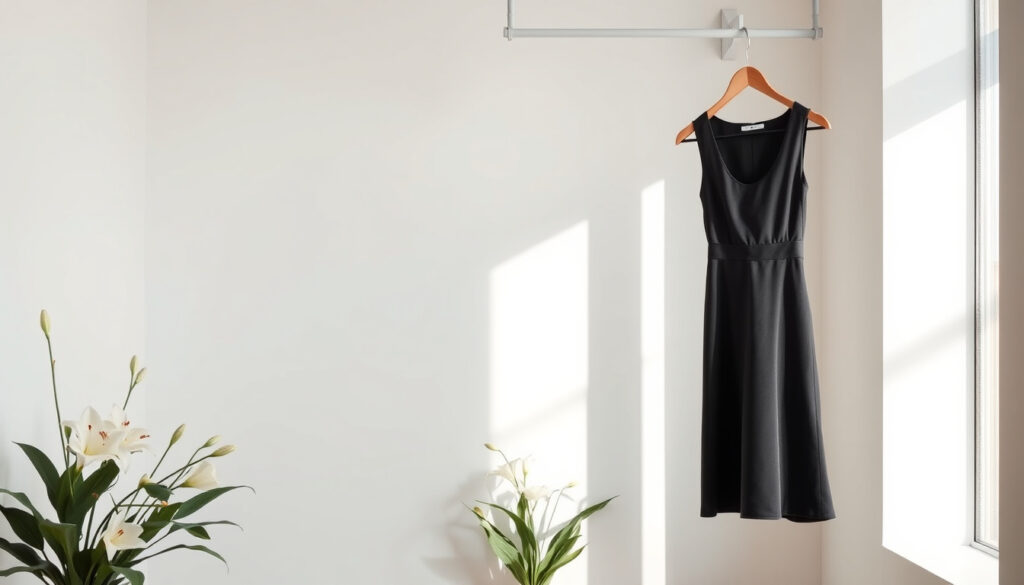
Black Dress for Funeral – Modern Guide to Appropriate Attire
Selecting the right black dress for a funeral requires balancing respect, tradition, and modern sensibilities. While black remains the most widely accepted color for Western memorial services, understanding the nuances of length, fabric, and styling can help women dress appropriately for any service while honoring their personal values. This guide examines what funeral directors, etiquette experts, and grieving families actually look for in funeral attire, providing practical advice grounded in established customs and contemporary practice.
The core principle guiding funeral dress codes centers on showing respect for the deceased and their surviving family. This means choosing clothing that helps you blend into the background rather than draw attention to yourself. A well-chosen black dress communicates solemnity without requiring elaborate ornamentation, making it the practical choice for women navigating this difficult time.
Modern funeral expectations have evolved considerably from the rigid Victorian dress codes that once governed mourning attire. Today, etiquette experts emphasize respect and appropriateness over strict color requirements, though black remains the default choice in most Western contexts. Understanding these shifts can help women make confident decisions when dressing for a memorial service.
What Kind of Black Dress Is Appropriate for a Funeral?
The most appropriate black dresses for funerals share several key characteristics that signal respect and solemnity without requiring a complete wardrobe overhaul. These practical guidelines apply across body types and budget levels, ensuring every woman can find a suitable option.
Knee or midi preferred
Matte, non-shiny (wool, crepe)
Modest, A-line or sheath
Sequins, bold prints
Key insights for choosing funeral-appropriate black dresses:
- Knee-length or midi styles strike the ideal balance between formal and accessible, working equally well in churches, funeral homes, and outdoor services.
- Matte fabrics like wool blends, crepe, and structured cotton draping smoothly without shine or excessive texture.
- Classic silhouettes such as A-line or sheath cuts provide modest coverage without clinging or drawing attention.
- Simple necklines—crew, boat, or modest V-necks—keep the focus on the service rather than the outfit.
- Subtle embellishments like small dark prints or minimal ruching remain acceptable if they do not distract.
- Wrinkle-resistant fabrics prove particularly valuable when traveling to funeral services.
Funeral etiquette experts consistently recommend matte fabrics over shiny or metallic options. Fabrics like wool, cotton blends, and crepe convey the appropriate gravity without catching light or appearing festive. Heavy sequins, satin, or lurex should be avoided entirely, as they can appear celebratory in a setting that demands solemnity.
| Aspect | Recommended | Avoid |
|---|---|---|
| Length | Knee-length or midi | Mini or maxidress |
| Neckline | Crew, boat, modest V | Plunging, halter |
| Details | Simple, minimal | Ruffles, heavy embellishments |
| Fit | Tailored, modest | Tight, distressed |
| Texture | Matte, smooth drape | Shiny, metallic, bulky |
| Sleeves | Covered or sleeveless with cover-up | Strapless without layering |
How Long Should a Dress Be for a Funeral?
Funeral dress length recommendations center on modesty and respect, with knee-length and midi styles representing the ideal range. Knee-length dresses offer a timeless, versatile option appropriate for most Western funeral services, falling at or just below the knee to provide adequate coverage while maintaining a polished appearance. Midi lengths—typically ending between the knee and mid-calf—have gained acceptance in recent years as modern funeral fashion has embraced this sophisticated option.
Mini dresses fall below appropriate standards for memorial services, potentially appearing too casual or celebratory. Similarly, floor-length maxidresses can create practical difficulties during services held in smaller venues or require extensive tailoring to achieve the right proportions. When uncertain about length, erring toward slightly longer rather than shorter ensures appropriate coverage for any funeral setting.
What Fabric Works Best for a Funeral Dress?
The ideal funeral dress fabric hangs smoothly, maintains a matte finish, and does not require high-maintenance care. Wool blends offer excellent drape and wrinkle resistance, making them particularly suitable for travel to memorial services. Crepe provides a similarly elegant appearance while remaining relatively easy to care for, with structured cotton blends serving as accessible alternatives for those seeking more budget-friendly options.
Avoid shiny fabrics like satin or silk unless they have been treated to reduce reflectivity. Leather, patent materials, and anything with significant sheen can inadvertently communicate a more festive or fashion-forward aesthetic than funeral settings demand. When examining potential dress options, hold the fabric under ordinary light to assess its appearance and ensure it maintains the subdued quality appropriate for memorial services.
Can You Wear Black to a Funeral?
Black remains the default and most widely accepted color for Western funeral services, with approximately 70 percent of attendees choosing this traditional option. The association between black and mourning traces to ancient Roman mourning practices, where wearing black togas signified gravity and seriousness of purpose. This historical precedent continues to inform contemporary expectations, making black the safest choice when attending any Western memorial service.
However, strict adherence to black is not always required. Modern etiquette has evolved to prioritize respect and family wishes over rigid color requirements. Funerals celebrating life rather than mourning death may welcome brighter colors, while families following non-Western traditions might specifically request alternatives. When no specific guidance exists, black serves as the universally appropriate default that communicates respect without requiring additional interpretation.
Hindu and Buddhist funeral traditions frequently favor white over black, representing purity and rebirth rather than mourning. Eastern cultures generally emphasize white as the color of grief, making research into family heritage valuable when attending services outside one’s own tradition. Always confirm specific expectations with the family when possible, as these guidelines can vary significantly across communities.
What Should Women Wear to a Funeral Besides Black?
Navy, charcoal gray, and deep green represent the most common alternatives when black feels inappropriate or unavailable. These dark, muted colors maintain the solemnity funeral settings require while offering practical alternatives for women who may not own black dresses or prefer different options. Charcoal gray provides a particularly versatile substitute that works seamlessly in most contexts where black would be expected.
Dark brown and burgundy occasionally appear in more relaxed memorial services, though they carry slightly less traditional weight than navy or charcoal. When selecting alternative colors, prioritize depth and muted tones over lighter shades that might appear jarring in memorial contexts. The guiding principle remains communication of respect and gravity through color choices.
Are Black Dresses with Patterns Acceptable?
Small, dark patterns can work within funeral-appropriate black dresses if they remain subtle and do not draw attention. Fine pinstripes, small dots, or subtle geometric patterns in matching black or very dark gray maintain the overall solemnity while adding visual interest. The key principle involves scale and contrast: smaller patterns in lower contrast integrate into the outfit rather than becoming focal points.
Bold patterns, large florals, or anything with significant contrast should be avoided entirely. Animal prints, vivid geometrics, and decorative motifs that catch the eye fundamentally contradict the goal of blending into funeral backgrounds. When examining patterned dresses, hold them at arm’s length and assess whether the pattern creates visual interest or visual distraction from the service at hand.
Is a Cocktail Dress Okay for a Funeral?
Cocktail dresses, while formal in nature, typically fall outside the appropriate range for traditional funeral services. The length, embellishment, and styling that make cocktail dresses suitable for celebratory events can inadvertently communicate the wrong tone in memorial settings. However, some modern services celebrating life rather than mourning death may accommodate more fashion-forward options, making it essential to understand the specific context when possible.
The key distinction lies in purpose and styling. A simple black dress in cocktail length with minimal embellishment might pass at a casual memorial service, while the same dress with sparkly details or a revealing cut would never be appropriate. When evaluating whether a cocktail-style dress might work, consider whether it would draw attention in a solemn setting. If the answer is yes, choose a more subdued option.
What Color Dress Works for a Funeral If Not Black?
Non-black funeral colors should maintain the depth and muted quality that communicates respect. Navy blue offers the closest alternative to black while remaining distinctly different, making it the most frequently recommended option when families request no black. Charcoal gray provides another versatile choice that works across most funeral contexts, with deep forest green occasionally appearing as a sophisticated alternative in more relaxed services.
Lighter grays, navy pastels, and muted purples can work in specific contexts but carry more risk than the darker alternatives. When attending a service without specific guidance, stick with navy, charcoal, or black to ensure appropriate appearance. The goal remains appearing respectful and solemn, which these deeper tones accomplish more reliably than lighter options that might appear casual or celebratory.
What Shoes and Accessories Pair with a Black Funeral Dress?
Shoes for funeral services should prioritize closed-toe designs in dark colors, with flats and low heels representing the most practical choices. Walking to gravesites, navigating uneven terrain at outdoor services, and maintaining comfort throughout extended ceremonies all favor supportive, stable footwear. Dark leather flats, low block heels, or modest boots in black or dark brown accomplish these goals while maintaining the appropriate appearance.
Open-toe shoes, strappy designs, and stilettos create practical difficulties and can appear too formal or fashion-forward for most memorial services. Athletic sneakers, flip-flops, and casual sandals should also be avoided, as they fundamentally contradict the formal nature of funeral attire. When in doubt, err toward slightly more formal rather than less, as being slightly overdressed never creates the impression that casual footwear might.
Can You Wear Jewelry to a Funeral?
Jewelry at funerals should be minimal and understated, with small studs, simple chains, or no jewelry representing the ideal range. The goal involves appearing polished without drawing attention or creating distraction during services. Pearl studs, small gold or silver posts, and simple pendant necklaces work well, while large statement pieces, chandelier earrings, and anything catching light should be avoided.
Watches can remain on without issue, though elaborate timepieces with precious metals or stones might receive unwanted attention. Religious symbols appropriate to the service context can be worn without concern, as these communicate personal meaning rather than fashion statements. The guiding principle involves appearing natural and respectful, with jewelry contributing to that impression rather than detracting from it.
Strong perfumes and fragrances should be avoided at funerals, as grieving family members and those with scent sensitivities may be present. This extends to scented hairsprays, lotions, and other personal care products that leave lingering odors. Practicing fragrance etiquette means keeping scents minimal or absent entirely, allowing the focus to remain on honoring the deceased rather than environmental distractions.
What Cover-ups and Accessories Work with Funeral Dresses?
Shawls, cardigans, and blazers serve essential functions at funeral services, providing shoulder coverage in religious venues and warmth during outdoor portions of services. A black pashmina or tailored blazer in charcoal or navy creates practical layering while maintaining the formal appearance funeral settings require. These accessories should be simple and subdued, adding to the overall impression without becoming focal points.
Dark coats for outdoor winter services should be similarly muted and formal, with plain wool or cashmere options working better than those with fur trim or elaborate details. Handbags should be minimal—small structured bags in dark leather or fabric complement funeral attire without creating visual competition. Tote bags, large purses, and anything casual should be left at home or in the car during services.
Cultural and Religious Variations in Funeral Attire
Funeral dress codes vary significantly across cultural and religious traditions, making awareness of these differences valuable when attending services outside one’s own heritage. While Western Christian traditions predominantly favor black or dark colors, other traditions embrace entirely different palettes and customs that merit understanding and respect.
Hindu funeral traditions associate white with purity and rebirth, making this color the standard for mourning dress. Buddhist customs similarly use white as a sign of grief, with families sometimes wearing undyed cloth for specified periods following a death. Eastern funeral practices generally emphasize white over black, creating potential confusion for those accustomed to Western norms when attending services in these traditions.
| Culture/Religion | Preferred Colors | Attire Notes |
|---|---|---|
| Western/Christian | Black, navy, charcoal gray | Knee-length dresses, covered shoulders preferred |
| Hindu | White | Simple, modest clothing; purity symbolism |
| Buddhist | White | Conservative styles; mourning sign |
| General Eastern | White over black | Research family wishes recommended |
When attending services in unfamiliar traditions, reaching out to family members for guidance proves invaluable. Many families appreciate the effort guests make to honor their customs, and specific requests—whether for colorful attire, white clothing, or modest coverage—should be followed carefully. Modern celebrations of life might even specify themed colors or request bright attire to honor a loved one’s personality, making confirmation essential before making assumptions.
The Evolution of Funeral Black Dress Norms
The tradition of wearing black for mourning traces to ancient Rome, where citizens wore undyed togas during periods of grief. This practice evolved through medieval European traditions, with the Victorian era establishing particularly rigid expectations that dictated everything from the depth of black to the duration of mourning periods based on relationship to the deceased. Women wore elaborate black clothing for extended periods, with gradual reintroduction of color marking the transition back to ordinary life.
Modern funeral etiquette has softened considerably from these Victorian standards. Contemporary guides emphasize respect and appropriateness over perfect adherence to specific rules, encouraging mourners to read the context and respond accordingly. Emily Post’s foundational etiquette work stressed humility and blending in, principles that remain relevant today even as the specific prescriptions have relaxed. Vogue-adjacent style advice similarly favors elegant simplicity in dark palettes over elaborate mourning costumes.
- Ancient Rome (500 BCE): Undyed togas worn as public mourning sign, establishing the foundation for Western black traditions.
- Medieval Europe (500–1500 CE): Black increasingly associated with death and mourning in religious art and royal customs.
- Victorian Era (1837–1901): Rigid mourning codes developed, with specific rules for each degree of kinship.
- Early 20th Century: Mourning periods shortened; black became standard rather than elaborate.
- Late 20th–21st Century: Flexibility introduced; family preferences and celebration-of-life services gain acceptance.
Current trends for 2025 and into 2026 continue emphasizing polished, understated looks as the standard for memorial services. Simple dark dresses and tailored pantsuits remain the preferred options, with modest midi lengths and layered neutrals representing key styling directions. No major shifts from conservative modesty have emerged, though flexible tones for celebrations of life have become more widely accepted as families personalize their memorial services.
What Is Established Versus Uncertain About Funeral Dress
Understanding what funeral experts agree upon versus what remains flexible helps women make confident decisions when selecting memorial attire. The established principles provide reliable guidance, while recognizing contextual variations prevents unnecessary anxiety about choices that genuinely allow for personal interpretation.
| Established (Certain) | Contextual (May Vary) |
|---|---|
| Black is universally appropriate for Western funerals | Exact shade of alternative colors acceptable |
| Knee-length or midi preferred for dress length | Full-length appropriateness in specific venues |
| Closed-toe shoes standard | Heel height acceptable range |
| Minimal, understated jewelry | Religious symbol appropriateness |
| Modest coverage expected | Specific religious venue requirements |
| Matte fabrics preferred | Pattern acceptability threshold |
Areas with less established consensus include exact plus-size brand recommendations and specific 2025 runway trends for funeral attire. General guidelines apply across sizes, but individual retailers’ specific offerings require direct research. The core principles of modesty, formality, and respect translate universally, even as specific implementations may vary based on availability and personal circumstances.
Expert Sources and Style Guidance
Etiquette authorities consistently emphasize that funeral dress codes prioritize respect over perfection. Emily Post’s foundational guidance stresses humility and blending in, principles echoed across contemporary style guides. Fashion-adjacent sources like Vogue provide practical styling advice for women seeking modern interpretations of these traditional standards.
“When in doubt, it is better to be slightly overdressed than underdressed. Funerals are formal occasions, and erring toward formality demonstrates respect.”
Funeral industry professionals offer additional perspective, with many noting that families generally appreciate any effort to dress appropriately regardless of whether every detail follows traditional rules. The goal involves communicating respect through appearance, not achieving flawless adherence to sometimes contradictory guidelines. Current guidance encourages “reading the room” and responding to specific context rather than following rigid prescriptions that may not fit every situation.
For additional styling tips that translate to modest funeral attire, consulting general fashion resources alongside specific funeral guidance provides comprehensive preparation. The principles of appropriate dress for formal occasions apply broadly, with funeral-specific adjustments focused on color, coverage, and overall solemnity.
Summary and Key Takeaways
Selecting appropriate black funeral attire involves balancing traditional expectations with modern flexibility. Knee-length and midi black dresses in matte fabrics with modest fits represent the safest choices for most Western memorial services, with navy and charcoal serving as acceptable alternatives when specified by families. Closed-toe shoes, minimal jewelry, and thoughtful cover-ups complete appropriate funeral outfits without drawing attention from the service’s purpose.
Cultural and religious variations merit awareness when attending services outside one’s own tradition, with Hindu and Buddhist customs generally favoring white over black. Family preferences should always override general guidelines when communicated, as modern celebrations of life often embrace personalized approaches that traditional funeral dress codes never anticipated. The core principle remains showing respect through appearance, with specific implementation offering considerable flexibility within that framework.
Frequently Asked Questions
Where can I buy an appropriate black dress for a funeral?
Look for classic, versatile pieces from retailers offering petite, regular, and plus size ranges in dark neutrals. Tailored pantsuits or simple dresses under $100 are widely available in modest fits. Focus on multi-use items suitable for work or events to maximize value.
Are plus size black dress options available for funeral wear?
Yes, most retailers offering women’s dresses carry extended sizes. Focus on the same principles—knee-length or midi, matte fabrics, modest fits—regardless of size. Many accessible options exist across size ranges when prioritizing timeless styles.
Can I wear a black cocktail dress to a funeral?
Cocktail dresses generally fall outside traditional funeral appropriateness due to their typical length, embellishment, and styling designed for celebratory events. Simple black dresses in cocktail length with minimal details might pass at informal services, but more ornate versions should be avoided.
What necklines work best for funeral dresses?
Crew, boat, and modest V-necklines work best, providing appropriate coverage especially in religious venues like churches or synagogues. Avoid plunging or overly low necklines regardless of how formal the dress otherwise appears.
Should I avoid perfume at a funeral?
Yes, strong fragrances should be avoided. Grieving family members and those with scent sensitivities may be present, and practice fragrance etiquette by keeping scents minimal or absent entirely.
What if the family requests bright colors for a celebration of life?
Family requests override general guidelines. Celebrations of life often embrace brighter colors or themed attire to honor the deceased’s personality. Always confirm with the family when possible about specific expectations.
Can I wear dark patterns on a funeral dress?
Small, dark patterns in matching black or very dark gray can work if they remain subtle and do not draw attention. Avoid bold patterns, large florals, or anything with significant contrast that might create visual distraction.
More related posts
 How to Lose a Guy in 10 Days: Plot, Cast, Streaming, and FAQs
 January Jones: Relationships, Health, and Career Biography
 Green Screen: Complete Beginner’s Guide to Setup and Use
 Nigeria Football Team Emergency Landing: Latest Updates and Facts
 Mimi Xu: Welsh Tennis Prodigy – Bio, Rankings, Next Match
 Alex Horne: Wife, Children, Taskmaster & Greg Davies
 Javon Walton: Why He Put Acting on Hold for Boxing
 Omari Hardwick: Nationality, Wife, 50 Cent Feud, and Ghost Exit
