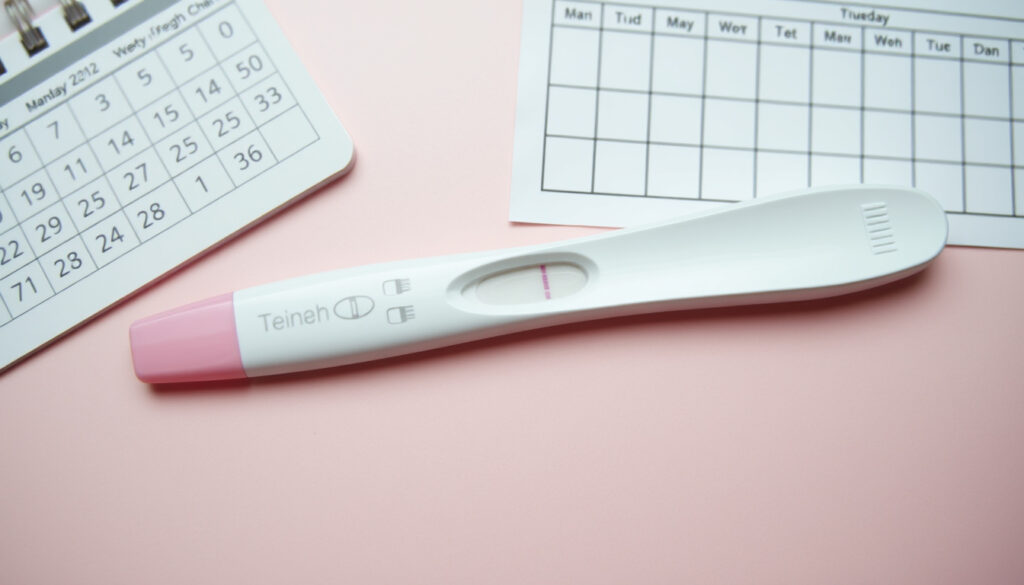
What Is a Chemical Pregnancy – Symptoms, Causes & Next Steps
A chemical pregnancy is a very early miscarriage that occurs shortly after implantation, typically within the first five weeks of pregnancy. It is confirmed only through biochemical detection of the hCG hormone via a positive pregnancy test that later turns negative, before any visible signs can be detected on ultrasound. This type of pregnancy loss is surprisingly common, with many women never realizing they were pregnant at all.
Understanding what constitutes a chemical pregnancy can help those who experience this event make sense of their symptoms and recovery process. Medical professionals recognize it as a real pregnancy that ended due to chromosomal abnormalities or other factors preventing proper development. The experience, while emotionally challenging, does not typically indicate future fertility problems.
This guide explains the definition, symptoms, causes, and next steps for anyone navigating a chemical pregnancy or seeking to understand this common occurrence.
What Is a Chemical Pregnancy?
A chemical pregnancy refers to an early pregnancy loss that occurs before the fifth or sixth week of gestation. The term “chemical” reflects how the pregnancy is detected—through chemical markers in the blood or urine—rather than through ultrasound imaging, which cannot yet visualize the developing embryo at this stage. According to the Cleveland Clinic, these pregnancies are confirmed by a positive hCG test that subsequently becomes negative.
Early miscarriage post-implantation, before ultrasound detection
Positive pregnancy test followed by bleeding
Up to 25% of known pregnancies
No impact on future fertility
While the experience can be emotionally difficult, medical experts emphasize that a chemical pregnancy does not indicate a problem with future pregnancies. According to Tommy’s, these early losses represent a significant portion of all miscarriages and are often undetected unless someone is actively testing for pregnancy.
Key insights about chemical pregnancies include:
- These pregnancies account for 50-75% of all miscarriage cases
- Many occur without the person knowing they were pregnant
- The primary cause is chromosomal abnormalities in the embryo
- Detection relies entirely on hCG hormone levels
- No ultrasound evidence can be found due to the early stage
- Recovery is typically quick, resembling a normal period
Despite the clinical name, a chemical pregnancy is a real pregnancy. The “chemical” descriptor refers only to the method of detection through hCG hormone analysis, not to any lesser status of the pregnancy itself.
| Aspect | Details |
|---|---|
| Duration | Approximately 4-5 weeks from last menstrual period |
| hCG Peak | Typically 25-100 mIU/mL before declining |
| Bleeding pattern | Similar to a heavy menstrual period |
| Detection method | Home pregnancy test or blood hCG test |
| Ultrasound findings | None visible due to early stage |
| Risk factors | Advanced maternal age, fertility treatments |
What Are the Symptoms of a Chemical Pregnancy?
Symptoms of a chemical pregnancy are often subtle and can easily be mistaken for a regular menstrual period. Many women never realize they have experienced this type of early pregnancy loss unless they have been actively testing for pregnancy. According to Stony Brook Medicine, the most telling sign is a positive pregnancy test that is followed by a negative result shortly after.
Recognizing the Signs
The symptoms can vary widely between individuals, but several patterns are commonly reported. A positive pregnancy test followed by bleeding within days or weeks is the hallmark indicator. The Miscarriage Association notes that some people experience spotting or vaginal bleeding approximately a week before their expected period, while others have heavier bleeding similar to a normal or slightly heavier-than-normal menstrual flow.
Other potential symptoms include:
- Mild cramping that may accompany the bleeding
- Low or declining hCG levels detected through blood tests
- Absence of typical early pregnancy symptoms like nausea or breast tenderness after an initial positive test
- A period that arrives later than expected
Some individuals experience no symptoms whatsoever beyond a late period, which is why chemical pregnancies often go unrecognized. CCRM Fertility explains that in these cases, the loss occurs so early that the body absorbs the pregnancy tissue without significant bleeding.
Understanding hCG Patterns
Human chorionic gonadotropin (hCG) is the hormone detected by pregnancy tests. In a viable pregnancy, hCG levels rise rapidly, typically doubling every 48-72 hours in early pregnancy. According to Essentia Health, in a chemical pregnancy, hCG rises initially after implantation but then declines rapidly because the embryo fails to develop properly.
Blood tests measuring hCG levels over several days can help confirm a chemical pregnancy by showing that levels are dropping rather than rising appropriately. This serial monitoring is often recommended for those undergoing fertility treatments.
The pattern of rise and fall is distinctive. A pregnancy test may show a faint positive line initially, but subsequent tests show weakening or negative results. Blood work revealing declining rather than doubling hCG levels provides confirmation of a chemical pregnancy.
What Causes a Chemical Pregnancy?
The precise cause of a chemical pregnancy cannot always be identified in any individual case, but the factors involved mirror those of other early pregnancy losses. According to American Pregnancy Association, chromosomal abnormalities in the embryo represent the most common cause, accounting for the majority of these early losses.
Primary Factors
Chromosomal abnormalities prevent the embryo from developing normally, leading to implantation failure within days or weeks. These genetic issues typically occur randomly during cell division and are not inherited conditions or the result of anything the parents did wrong. The body recognizes the non-viable pregnancy and naturally ends it.
Additional factors that may contribute include hormonal imbalances, such as inadequate progesterone levels, or an insufficient uterine lining that cannot support implantation and early development. According to Stony Brook Medicine, underlying health conditions can also play a role, including thyroid disorders, blood clotting abnormalities, and being significantly underweight.
A single chemical pregnancy does not indicate future infertility. Medical experts consistently emphasize that most women who experience this type of early loss go on to have successful pregnancies afterward. Recurrent chemical pregnancies may warrant further investigation, but one isolated incident is generally not a cause for concern.
Who Is Most Affected?
Chemical pregnancies represent a significant portion of all pregnancy losses. Statistics from the American Pregnancy Association indicate that these early losses account for 50-75% of all miscarriages and occur in 10-20% of all known pregnancies. The actual rate may be higher because many chemical pregnancies go unrecognized without pregnancy testing.
Certain factors may increase the likelihood of experiencing a chemical pregnancy. Women of advanced maternal age face higher risks due to increased chances of chromosomal abnormalities. Those undergoing fertility treatments like IVF are more likely to detect chemical pregnancies because they are actively testing for pregnancy shortly after embryo transfer.
Prevention Considerations
Medical experts note that chemical pregnancies cannot be reliably prevented. Since most result from random chromosomal abnormalities that occur during cell division, there is no guaranteed method to avoid them. However, optimizing overall health may help reduce some modifiable risk factors. This includes maintaining a healthy weight, managing chronic conditions like thyroid disorders, and ensuring adequate hormone levels under a healthcare provider’s guidance.
Can You Have a Healthy Pregnancy After a Chemical Pregnancy?
The outlook following a chemical pregnancy is generally positive. According to Cleveland Clinic, this type of early loss does not indicate future infertility, and most women go on to have successful pregnancies afterward.
Recovery Timeline
Physical recovery from a chemical pregnancy is typically quick. The pregnancy ends within days of implantation failure, and hCG levels usually clear from the body within one to four weeks. Most individuals resume their normal menstrual cycle and ovulation shortly after the bleeding resolves.
The emotional recovery process varies more widely than the physical timeline. Even though the loss occurred very early, experiencing a positive pregnancy test followed by a loss can be emotionally significant. Partners and loved ones may also need time to process the experience.
When to Try Again
Healthcare providers generally advise waiting one to two normal menstrual cycles before attempting to conceive again. This allows time for hormone levels to stabilize and for the body to return to its regular pattern. However, medically speaking, it is possible to become pregnant immediately after the bleeding stops.
For those who have experienced recurrent chemical pregnancies, typically defined as two or more in a row, consultation with a fertility specialist may be beneficial. Serial hCG monitoring and additional testing can help identify any underlying conditions that might be contributing to repeated losses.
While no medical intervention can prevent random chromosomal issues, tracking cycles carefully and maintaining overall physical health supports future pregnancy attempts. Anyone experiencing emotional difficulty should consider speaking with a counselor or joining a support group for pregnancy loss. Monitoring key health indicators like LDL Cholesterol Normal Range alongside prenatal care helps establish a comprehensive picture of overall wellness.
How a Chemical Pregnancy Differs From Other Conditions
Understanding the distinctions between a chemical pregnancy and other conditions can provide clarity during what is often a confusing time. CCRM Fertility emphasizes that while these conditions share some symptoms, their management and implications differ significantly.
Chemical Pregnancy vs. Clinical Miscarriage
The primary distinction lies in when the pregnancy loss is detected. A chemical pregnancy ends before ultrasound visualization is possible, typically before week five or six of pregnancy. A clinical miscarriage occurs later, after a gestational sac or fetal heartbeat becomes visible on ultrasound, usually after five to six weeks of pregnancy.
Both are forms of early pregnancy loss, but clinical miscarriages may involve more significant bleeding, tissue passing, and emotional impact. The management approaches differ accordingly, with clinical miscarriages potentially requiring more medical oversight.
Chemical Pregnancy vs. Ectopic Pregnancy
An ectopic pregnancy occurs when the embryo implants outside the uterus, most commonly in the fallopian tube. Unlike a chemical pregnancy, an ectopic pregnancy is a medical emergency that can be life-threatening if the tube ruptures. According to the Cleveland Clinic, ectopic pregnancies require immediate medical intervention and are typically identified through ultrasound when no uterine sac is visible despite rising hCG levels.
Both conditions may show a positive pregnancy test followed by bleeding, but ectopic pregnancies often present with one-sided abdominal or pelvic pain, shoulder pain, or signs of internal bleeding. Anyone experiencing these symptoms should seek medical attention immediately.
Chemical Pregnancy vs. Normal Menstruation
The key difference between a chemical pregnancy and a normal period is the presence of hCG. A chemical pregnancy produces enough hCG to register on a pregnancy test, while a regular menstrual period does not. In a normal cycle without pregnancy, hCG levels remain at zero.
Some individuals describe chemical pregnancy bleeding as slightly heavier than their normal period or accompanied by more significant cramping, but the differences can be subtle. Only pregnancy testing and hCG monitoring can confirm which occurred.
Timeline of Chemical Pregnancy Events
Understanding the typical sequence of events can help frame what is happening during a chemical pregnancy. According to Essentia Health, the process follows a predictable pattern from implantation through resolution.
The typical progression of a chemical pregnancy follows these stages:
- Implantation (approximately days 20-24 after last menstrual period): The embryo implants into the uterine lining, beginning hCG production
- hCG detection (approximately day 25 or later): hCG levels rise enough to produce a positive pregnancy test
- Peak and decline (days to one week later): hCG levels reach their peak, then begin falling as the embryo fails to develop
- Bleeding onset (weeks 4-5): Menstrual-like bleeding begins, often around the time the expected period would arrive
- Resolution (1-4 weeks after bleeding starts): hCG levels return to zero, and normal cycles resume
This timeline is approximate, and individual experiences may vary. Some people may not follow this exact pattern, and the bleeding may occur slightly earlier or later depending on when implantation occurred and how quickly hCG declines.
What We Know and What Remains Unclear
Medical science has established clear parameters for understanding chemical pregnancies, though some aspects remain incompletely understood. The following summarizes what is well-established versus what requires individual assessment.
Established Information
- Chemical pregnancies are real early pregnancy losses
- They are detected through hCG testing, not ultrasound
- Chromosomal abnormalities are the most common cause
- They occur in 10-25% of known pregnancies
- Recovery is typically quick with no fertility impact
- They cannot be reliably prevented
Uncertain Areas
- The exact cause in any individual case
- Whether one chemical pregnancy predicts another
- Optimal recovery protocols and timing recommendations
- Individual factors that may increase recurrence risk
- Long-term health implications after multiple episodes
- The emotional impact varies widely between individuals
Healthcare providers recommend consulting with a medical professional for personalized guidance, particularly for those with recurrent losses or underlying health conditions. Individual circumstances vary, and general guidelines may not apply to everyone.
The Context of Early Pregnancy Loss
Chemical pregnancies are embedded within the broader landscape of early pregnancy loss. According to the Miscarriage Association, these early losses represent the majority of all miscarriages, though their early timing and subtle symptoms often mean they go unrecognized in broader pregnancy statistics.
Understanding this context can provide perspective. Early pregnancy loss, including chemical pregnancies, occurs in a significant percentage of all conceptions. The body has natural mechanisms for identifying non-viable pregnancies and ending them before further development occurs. This process, while emotionally difficult, reflects normal reproductive biology rather than a failure of the reproductive system.
For those navigating the experience, recognizing the commonality of early pregnancy loss may provide some comfort. Healthcare providers and support organizations emphasize that experiencing a chemical pregnancy does not indicate anything wrong with a person’s ability to have a successful pregnancy in the future.
Finding Support and Next Steps
Healthcare organizations emphasize the importance of emotional support for those who have experienced pregnancy loss, even in its earliest form. According to Tommy’s, support resources and counseling are available for anyone struggling with the emotional aftermath of a chemical pregnancy.
Early pregnancy loss, including chemical pregnancies, is a recognized medical event affecting many families. Seeking support and speaking with healthcare providers can help individuals process their experience and move forward with confidence.
For those who have experienced a chemical pregnancy and are considering trying again, maintaining open communication with a healthcare provider is important. Tracking cycles, noting any patterns, and seeking evaluation if losses recur are all appropriate steps.
Summary
A chemical pregnancy is a very early miscarriage that occurs shortly after implantation, before ultrasound detection is possible. It is confirmed through hCG testing showing initial positive results followed by declining levels. Chromosomal abnormalities are the most common cause, and recovery is typically quick with no impact on future fertility.
While the experience can be emotionally challenging, understanding what a chemical pregnancy is and how it differs from other conditions can provide clarity during a confusing time. For those navigating this experience, speaking with healthcare providers and accessing support resources can make a meaningful difference.
Frequently Asked Questions
How is a chemical pregnancy different from an ectopic pregnancy?
A chemical pregnancy ends due to implantation failure or embryo abnormality, while an ectopic pregnancy involves implantation outside the uterus. Ectopic pregnancies are medical emergencies requiring immediate intervention due to rupture risk, whereas chemical pregnancies resolve naturally without the same danger.
How soon after a chemical pregnancy can you try to conceive again?
Most healthcare providers recommend waiting one to two normal menstrual cycles before attempting to conceive, though it is physically possible to become pregnant immediately after the bleeding stops.
Is a chemical pregnancy considered a real pregnancy?
Yes, a chemical pregnancy is a real pregnancy that ended due to abnormal development. The term “chemical” refers only to the detection method, not to any lesser validity of the pregnancy itself.
Does having a chemical pregnancy mean I will have fertility problems?
No, a single chemical pregnancy does not indicate future fertility problems. Most women who experience this type of early loss go on to have successful pregnancies afterward.
What does chemical pregnancy bleeding look like?
Bleeding may range from mild spotting to heavier flow similar to a normal or slightly heavier-than-normal period. Some people experience more cramping than usual, while others have bleeding that closely resembles their regular menstrual cycle.
Can a chemical pregnancy be prevented?
Chemical pregnancies cannot be reliably prevented since most result from random chromosomal abnormalities. Optimizing overall health, managing chronic conditions, and maintaining a healthy weight may help, but no guaranteed prevention measures exist.
How long does it take for hCG levels to return to zero after a chemical pregnancy?
hCG levels typically clear from the body within one to four weeks after a chemical pregnancy, though this timeline can vary. Blood testing can confirm when levels have returned to zero.
More related posts
 Winona Ryder: Biography, Relationships, and Career Comeback
 Sarah Rafferty: Biography, Suits Role, and Life After
 Mam Tor Walk: Difficulty, Routes & Tips for Beginners
 Jack O’Connell: Biography, Ethnicity, Movies & More
 Lee Sharpe: Career, Net Worth, Wife, and Life After Football
 Best Electric Toothbrush 2025: Which One Should You Buy
 Nancy Shevell: Paul McCartney’s Wife and Her Own Story
 M&S Kids Clothes & Shoes: Quality, Value & Durability Guide
