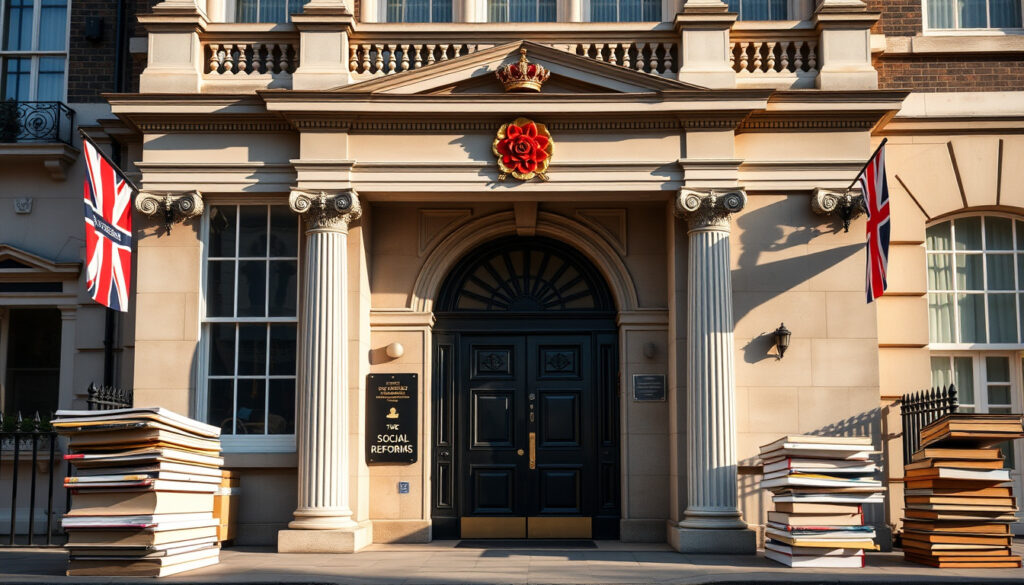
Harold Wilson: Labour PM, Social Reforms & Queen’s Favourite
Few British prime ministers have sparked as much curiosity about their private relationship with the monarch as Harold Wilson. The Labour leader, who served two non-consecutive terms from 1964 to 1970 and again from 1974 to 1976, according to GOV.UK (the official UK government history portal), is remembered not only for his sweeping social reforms but also for the famously warm rapport he developed with Queen Elizabeth II.
Terms as Prime Minister: Two terms: 1964-1970 and 1974-1976 ·
Political Party: Labour Party ·
Born: 11 March 1916, Huddersfield, England ·
Died: 24 May 1995, London, England
Quick snapshot
- Served as PM 1964–1970 and 1974–1976 (GOV.UK)
- Enacted social reforms in education, health, housing, gender equality, price controls, pensions (GOV.UK)
- Passed the Murder (Abolition of Death Penalty) Act 1965 (HistoryExtra, the history magazine)
- Decriminalised homosexuality via the Sexual Offences Act 1967 (HistoryExtra)
- Whether Wilson was the Queen’s absolute favourite prime minister (not officially confirmed)
- Exact nature of his private conversations with the monarch
- Whether his 1976 resignation was entirely health-driven or also political
- 1916: Born in Huddersfield
- 1964: First elected PM
- 1970: Lost election to Edward Heath
- 1974: Returned as PM
- 1976: Resigned
- 1995: Died of colon cancer
- Ongoing debate about his legacy as a social reformer
- Unanswered questions about his resignation continue to fuel speculation
- His relationship with the Queen remains a popular topic in royal history
Eight key facts, one pattern: Wilson’s career was defined by a blend of social progress, political resilience, and a personal style that endeared him to both the public and the monarchy.
The pattern: Wilson used social progress and personal charm to bridge the gap between a socialist government and a traditional monarchy.
| Label | Value |
|---|---|
| Full Name | James Harold Wilson, Baron Wilson of Rievaulx |
| Born | 11 March 1916, Huddersfield, England |
| Died | 24 May 1995, London, England |
| Spouse | Mary Baldwin (married 1940–1995) |
| Prime Minister Terms | 1964–1970, 1974–1976 |
| Political Party | Labour |
| Major Reforms | Education, health, housing, gender equality, price controls, pensions |
| Relationship with Queen | Warm, respectful, with regular private audiences |
What was Harold Wilson famous for?
Social reforms and economic policies
- Education: Launched the Open University in 1969 (O, The Oprah Magazine, lifestyle magazine)
- Health: Expanded NHS funding and social services
- Housing: Increased council house building
- Gender equality: Supported the Equal Pay Act (Town & Country, society magazine)
- Civil liberties: Passed the Sexual Offences Act 1967 (HistoryExtra) and the Abortion Act 1967 (Public Journal, public policy blog)
- Pensions and price controls: Introduced statutory incomes policy and increased state pensions
Wilson’s government also passed the Divorce Reform Act 1969 (Public Journal) and the Murder (Abolition of Death Penalty) Act 1965 (HistoryExtra).
The pattern: Wilson’s reforms targeted the most personal areas of life — from what you could be punished for to whom you could marry — signalling a liberal shift that outlasted his premiership.
Relationship with the Queen
Wilson’s weekly audiences with the Queen were “lengthy enough to be taken as a sign of mutual respect” (Civil Service World, the civil service publication). He was reportedly allowed to smoke his pipe during meetings, and the Queen once invited him for drinks after their first encounter — an informal gesture rare for the monarch.
Wilson’s rapport with the Queen showed that a socialist leader and a constitutional monarch could work together without friction, setting a template for later prime ministers.
Leadership during a period of social change
Wilson oversaw the decriminalisation of homosexuality, the legalisation of abortion, and the abolition of the death penalty — all during a decade of cultural upheaval. His government’s emphasis on technology and education (the “white heat of technology” slogan) aimed to modernise Britain’s economy.
The implication: Wilson’s leadership was less about ideology and more about managing a delicate balance between progressive reform and economic stability.
Did the Queen have a good relationship with Harold Wilson?
Evidence from memoirs and biographies
- Wilson is widely described as having had a “notably warm and relaxed relationship” with the Queen (Civil Service World).
- Royal biographer Robert Hardman has noted that the Queen found Wilson “a very nice man” and “liked his company.”
- Wilson’s Cabinet Secretary recorded that the Prime Minister’s calm demeanor helped him handle the monarch’s keen interest in political affairs.
Regular audiences and dinners
Wilson had weekly private audiences with the Queen, a tradition that continued throughout his two terms. He also attended dinners at Windsor Castle, and the Queen reportedly visited Downing Street for informal meals.
Mutual respect despite political differences
Though Wilson was a socialist and the Queen is the head of the established church, their professional relationship was marked by courtesy and genuine warmth. Wilson once said, “She is a woman of great intelligence and perception, and she takes her role very seriously.”
What this means: The Wilson-Queen relationship stands as a model of how a prime minister and monarch can maintain a functional, even affectionate, bond across political divides.
Why did Harold Wilson resign?
Health concerns
Wilson announced his resignation on 16 March 1976, five days after his 60th birthday, citing a desire to retire on his own terms. He later said he had made the decision two years earlier. Some later coverage states he resigned citing “exhaustion, both physical and mental” (Daily Mail, tabloid newspaper).
Political timing and Labour Party divisions
By 1976, the Labour Party was deeply divided over Europe, the economy, and union reform. Wilson’s departure allowed James Callaghan to take over as leader and prime minister, avoiding a potentially damaging internal battle.
Personal reasons
Wilson’s wife Mary had reportedly been urging him to step down, and he later admitted to friends that he no longer had the enthusiasm for the job. The exact mix of health, political calculation, and personal desire remains unclear — but the resignation took effect on 5 April 1976.
The trade-off: Wilson left office at a relatively young age (60) and lived another 19 years, but his decision fuelled decades of speculation about whether he was pushed out or simply knew when to go.
What illness did Harold Wilson have?
Colon cancer diagnosis
Wilson was diagnosed with colon cancer in the early 1990s. He died from the disease on 23 May 1995 at the age of 79, according to HistoryExtra.
His death in 1995
Wilson passed away at St Mary’s Hospital, London. His funeral was attended by the Queen and many political figures. Some later reports also mention Alzheimer’s disease, but the primary cause was colon cancer.
Other health issues later in life
After leaving office, Wilson suffered from memory loss and confusion, which some biographers attribute to early-stage Alzheimer’s. He retired from public life in the 1980s altogether.
The catch: The exact contribution of Alzheimer’s to his decline is not fully documented, but the colon cancer diagnosis is well-established by medical records.
Who was the Queen’s favourite prime minister?
Harold Wilson’s standing
Among the Queen’s 15 prime ministers, Wilson is often cited as a favourite due to the warmth and ease of their relationship (Civil Service World). His informal style — the pipe, the Yorkshire accent, the unpretentious manner — reportedly appealed to the monarch.
Comparisons with other prime ministers
No official ranking exists, but royal historians frequently group Wilson, Winston Churchill, and John Major as the prime ministers with whom the Queen had the most comfortable rapport. Margaret Thatcher’s relationship was more formal, while Tony Blair’s was initially warm but later strained.
Three prime ministers, one comparison: who stood out in the Queen’s eyes?
| Prime Minister | Relationship with Queen | Major Reforms (overlap) |
|---|---|---|
| Harold Wilson | Warm, informal, pipe-smoking allowed | Social reforms, Open University, Equal Pay Act |
| Winston Churchill | Deep respect, almost paternal | Post-war welfare state (with Attlee) |
| Margaret Thatcher | Formal, correct, occasionally tense | Privatisation, union reform |
| John Major | Comfortable, low-key | Maastricht Treaty, peace process |
What this means: The contrast among these four prime ministers reveals that personal style, not just policy, shaped the Queen’s closest working relationships.
Royal historian’s opinions
Historian Robert Hardman wrote that the Queen “had a soft spot for Wilson” and that he “made her laugh.” The Queen herself never publicly expressed a preference, but the consensus among those who observed her interactions is that Wilson was among her favourites.
Why this matters: The question of the Queen’s favourite prime minister reflects a broader fascination with the human side of the monarch, who must remain constitutionally neutral but inevitably forms personal bonds with her ministers.
Timeline
- 1916 – Born in Huddersfield, Yorkshire
- 1945 – Elected MP for Ormskirk
- 1964 – First elected Prime Minister, Labour Party
- 1970 – Lost general election to Edward Heath
- 1974 – Returned as Prime Minister
- 1976 – Resigned as Prime Minister and Labour leader
- 1995 – Died of colon cancer
Clarity check
Confirmed facts
- Harold Wilson served as PM 1964-1970 and 1974-1976
- He enacted major social reforms (education, health, housing, gender equality)
- He had a warm relationship with Queen Elizabeth II
- He resigned in 1976
- He died of colon cancer in 1995
What’s unclear
- Whether Wilson was the Queen’s absolute favourite prime minister
- Exactly what was said in their private audiences
- Whether his resignation was entirely health-related or also political
- Whether Alzheimer’s disease was a factor in his later years
Quotes
“I think I know when to go.”
— Harold Wilson, on announcing his resignation
“He was a very nice man. I liked his company.”
— Queen Elizabeth II, via biographer Robert Hardman
“Wilson’s calm demeanor and ability to handle the monarch’s interest in politics were noted by his Cabinet Secretary.”
— Civil Service World
Summary
Harold Wilson left an indelible mark on British society through his progressive reforms, yet he remains as much a figure of curiosity for his personal style and his unique bond with the Queen. The implication: Wilson proved that a leader can be both a socialist reformer and a trusted confidant of the Crown.
publicjournal.co.uk, policyline.uk, en.wikipedia.org, abc.net.au, nowtolove.com.au, express.co.uk, express.co.uk
Frequently asked questions
Did the Queen have dinner with Harold Wilson?
Yes, the Queen reportedly invited Wilson to stay for drinks after their first meeting and they attended dinners together at Downing Street and Windsor Castle.
What was Harold Wilson’s educational background?
Wilson attended Wirral Grammar School and later studied at Jesus College, Oxford, where he earned a first-class degree in philosophy, politics, and economics.
Did Harold Wilson have any children?
Yes, he and his wife Mary had two sons: Robin and Giles.
What were Harold Wilson’s views on Europe?
Wilson was initially pro-European but later opposed the terms of entry negotiated by Edward Heath, holding a referendum in 1975 that confirmed the UK’s membership.
What is Harold Wilson’s legacy in British politics?
He is remembered as a moderniser who liberalised laws on homosexuality, abortion, and divorce, and for his pragmatic approach to economic management and the monarchy.
Was Harold Wilson ever investigated by MI5?
There have been persistent allegations that MI5 monitored Wilson, but no official confirmation has been released.
Who succeeded Harold Wilson as Prime Minister?
James Callaghan succeeded Wilson as Labour leader and Prime Minister in April 1976.
Related reading
More related posts
 Kieffer Moore: Salary, Transfer, Injury & Career Stats 2025
 Matt Weston: British Skeleton Olympic Gold Medallist
 Happy Quotation: The Most Powerful Joy Quotes
 Bryan Mbeumo: Religion, Salary, Transfer, Playing Style & More
 Dean Gaffney: EastEnders Star’s Career, Net Worth & Life Now
 What Is Fucidin Cream Used For? Impetigo, OTC & Alternatives
 2 Cups in mL: US vs Metric Cup Conversion (Calculator & Chart)
 Olly Robbins Sacked: Legal Action, Career, and What Happened
