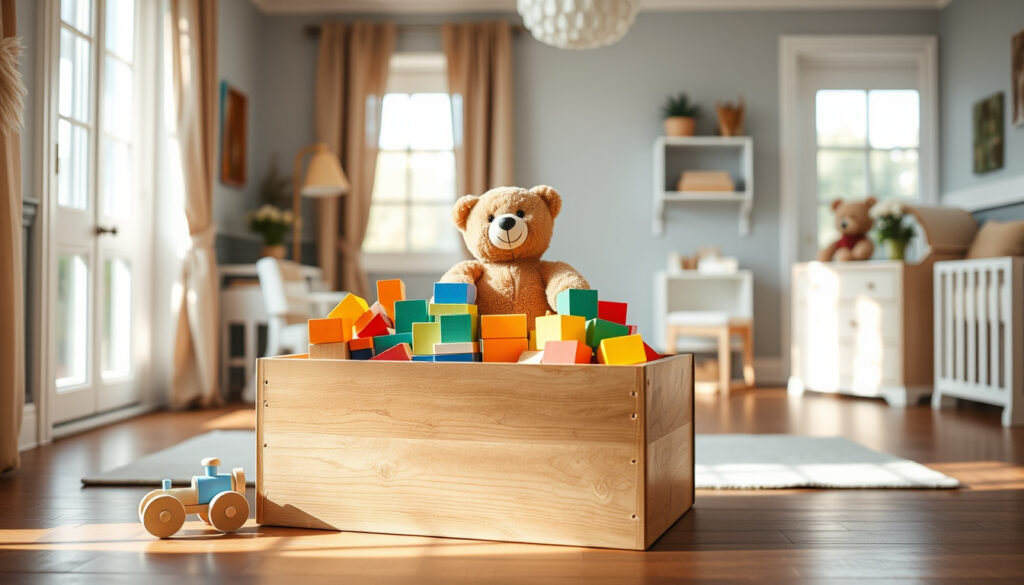
Toy Box Buying Guide: Safety, Materials, and Best Options
Every parent knows the struggle: a mountain of toys that somehow multiplies overnight. A good toy box doesn’t just hide the mess — it keeps children safe, fits the room, and survives the daily chaos, and this guide walks through materials, sizing, safety standards, and where to buy the right toy box in Ireland based on verified product specs and official guidelines.
Average weight capacity: 20–50 lbs (9–23 kg) ·
Common materials: Wood, MDF, fabric, plastic ·
Typical price range: $50–$200 (€45–€180) ·
Safety standard: ASTM F963 (USA) / EN 71 (EU)
Quick snapshot
- Wooden chests
- Fabric bins
- Plastic totes
- Bench with storage
- Slow‑close lid
- Rounded corners
- Non‑toxic paint
- Stability anti‑tip design
- IKEA
- Homeline Furniture
- Smyths Toys
- Wayfair
- Local makers
- Small fabric bin: €10–€30
- Medium wooden box: €40–€80
- Large wooden chest: €80–€200
- Bench toy box: €60–€150
Four key specs, one pattern: the most common material is wood, but safety certifications vary widely.
| Spec | Value |
|---|---|
| Most common material | Wood (pine, MDF) IKEA Ireland |
| Safety certification | ASTM F963 (USA) / EN 71 (EU) NSAI |
| Average weight capacity | 20–50 lbs (9–23 kg) Signaldesk |
| Typical lid feature | Slow‑close hinge on premium models Signaldesk |
| Price range | €45–€180 Signaldesk |
| Common materials | Wood, MDF, fabric, plastic IKEA Ireland |
What Is the Best Material for a Toy Box?
Wood vs. MDF vs. plastic vs. fabric
- Solid wood – heavy, durable, can last decades. Pine is the most common, often used by IKEA Ireland (children’s furniture specialist) and Jelly Bean Group (kids storage retailer). Requires finishes that are non‑toxic.
- MDF (medium‑density fibreboard) – cheaper than solid wood, but can warp if exposed to moisture. Many budget options from Wayfair Ireland (nursery furniture retailer) use MDF with a veneer.
- Plastic – lightweight, easy to clean, but can crack under heavy loads. Smyths Toys Ireland (toy retailer) sells plastic totes alongside wooden boxes.
- Fabric – soft, collapsible, safest for infants, but least durable. Often used as bins inside shelving units.
Durability and maintenance of each material
Wood needs occasional polishing and protection from moisture. MDF is less forgiving — spills can cause swelling. Plastic can be wiped clean but may degrade in sunlight. Fabric requires washing but is lightest to move. Children’s Health Ireland (hospital guidelines) recommend storing toys in a dedicated, cleanable container — fabric bins are easiest to launder.
Wooden boxes offer longevity and a premium look, but they are heavy and harder to move. Plastic is practical for families who reorganise rooms often.
The implication: choose wood for a permanent piece, lightweight plastic or fabric for flexibility.
How to Choose the Right Size Toy Box
Measuring available space
Standard toy box dimensions range from 20–30 inches (51–76 cm) long, 15–20 inches (38–51 cm) deep, and 18–24 inches (46–61 cm) high. For small rooms, consider under‑bed storage or stackable fabric bins. Aosom.ie (kids storage retailer) lists dimensions explicitly on each product page.
Capacity considerations based on child’s age
A 120‑litre toy box typically suits a single toddler, while a 200‑litre box works for two children or a shared playroom, according to Signaldesk (Ireland toy box guide). Check weight limits — most boxes hold 20–40 kg.
Standard toy box dimensions
- Small: 20″L × 15″D × 18″H (approx. 80 litres)
- Medium: 25″L × 18″D × 20″H (approx. 120 litres)
- Large: 30″L × 20″D × 24″H (approx. 200 litres)
What this means: measure the floor space first, then match capacity to the number of children and toy volume.
Are Toy Boxes Safe for Children?
Lid safety: slow‑closing hinges and gaps
Hinged lids can trap fingers or, worse, suffocate a child who climbs inside. Signaldesk (Ireland toy box guide) states that slow‑close hinges and ventilation holes are critical if the lid closes completely. Smyths Toys Ireland labels its White Wooden Toy Box with a choking hazard warning for children under 3.
Edge and corner protection
Rounded corners and smooth edges reduce injury from falls. Many products from Aosom.ie highlight anti‑tip design, safety hinges, and non‑slip feet.
Weight and stability to prevent tipping
A top‑heavy toy box can tip over if a child climbs on it. Choose models with a wide base or anchoring hardware. Children’s Health Ireland advises that toy storage should be stable and not easily pulled over.
Paint and finish toxicity standards
European toy safety standard EN 71‑1:2014+A1:2018 (NSAI, Ireland’s standards body) covers mechanical and physical properties, including restrictions on lead and other toxic elements. Look for toy boxes labelled “non‑toxic,” “lead‑free,” or “EN 71 tested.”
No publicly available data shows what percentage of toy boxes sold in Ireland actually meet EN 71 – buyers must rely on brand claims and retailer descriptions.
The pattern: safety features cluster around lid design, edge treatment, and material toxicity. For a child under 3, choose a box without a lid or with a slow‑close mechanism and ventilation holes.
Where to Buy Toy Boxes in Ireland?
IKEA toy storage units
IKEA Ireland offers modular storage like the TROFAST series, with wooden frames and plastic bins. IKEA’s children’s storage category is a dedicated product segment, reflecting strong demand in the Irish market.
Homeline Furniture Kiddy Toy Boxes
Homeline’s Kiddy Toy Box is made from Scandinavian pine and lacquered MDF, described as minimalist Scandinavian style. Jelly Bean Group also stocks similar wooden designs.
Smyths Toys toy boxes
Smyths Toys Ireland lists a White Wooden Toy Box that doubles as a bench, with cut‑out handles and a slow‑closing lid. Smyths product page includes safety warnings and dimensions.
Wayfair toy boxes & benches
Wayfair Ireland has a broad selection of toy boxes and benches in its nursery category. Wayfair’s toy box range includes everything from basic plastic bins to painted wooden chests.
Local handmade options (Toy Box Designs Dublin)
Irish handmade toy boxes are available through Little Dreamers (Irish toy store) and local makers on Etsy. Customisation allows personalisation, but prices are higher.
Why this matters: the retail landscape in Ireland is split between global chains (IKEA, Wayfair) and local specialists (Homeline, Little Dreamers). Global chains offer lower prices; local shops offer unique designs and often better customer service.
How to Organize Toys in a Toy Box?
Group soft toys separately from blocks and puzzles. Follow these steps:
- Sort by toy type and size. Use smaller bins inside the main box for Lego, crayons, and small parts. Children’s Health Ireland recommends storing only clean toys and cleaning the container weekly.
- Use bins or dividers inside the box. Plastic or fabric dividers keep categories separated. A 120‑litre box can hold 3–4 medium‑sized bins.
- Label for easy access. Picture labels help non‑reading children identify where each toy belongs. Use adhesive labels or printed cards attached to the front of each bin.
- Rotate toys to avoid clutter. Store half the toys out of reach and rotate them every two weeks. This keeps the toy box from overflowing and maintains novelty.
The trade‑off: compartments add structure but reduce bulk capacity. For families with a single child, a simple open bin suffices. For multiple children, a divided box or multiple boxes work better.
Upsides & Downsides
Upsides
- Teaches children to tidy up independently
- Keeps toys organised and off the floor
- Can double as a bench or decorative furniture
- Available in price ranges for every budget
Downsides
- Heavy wooden boxes are hard to move
- Hinged lids pose safety risks if not designed properly
- Plastic boxes can crack and may not be recyclable
- Fabric bins stain easily and wear out quickly
Both sides highlight the need to match the toy box type to the child’s age, room size, and family habits.
Confirmed Facts & Open Questions
Confirmed facts
- Wooden toy boxes are heavier and more durable than plastic (IKEA Ireland)
- EN 71 and ASTM F963 are recognised safety standards (NSAI)
- Ventilation holes are required if the lid closes completely (Signaldesk)
What’s unclear
- Exact market size for toy boxes in Ireland
- Percentage of toy boxes that meet specific safety certifications – not publicly aggregated
- Whether slow‑closing lids are universally effective in preventing finger injuries (Signaldesk)
Expert Perspectives
“IKEA’s toy storage category is designed to be functional and fun at affordable prices, helping families keep children’s rooms tidy.”
— IKEA Ireland product description
“The White Wooden Toy Box features a slow‑closing lid, cut‑out handles, and doubles as a bench – combining storage with seating.”
— Smyths Toys Ireland product page
“Our Kiddy Toy Box is minimalist Scandinavian style, crafted from pine and lacquered MDF for a clean, safe finish.”
— Homeline Furniture
For Irish parents, the choice between a basic plastic bin (€10–€30) and a solid wooden chest (€80–€200) comes down to longevity and safety features. A wooden box with a slow‑close lid and non‑toxic finish is the safest investment for a child’s room. If budget is tight, a fabric bin with a lid that can be removed is a practical alternative.
Frequently asked questions
What are the benefits of a toy box with a lid?
A lid keeps dust off toys, reduces clutter visibility, and can double as a seating surface. However, slow‑close hinges and ventilation holes are essential for safety.
Should I get a fabric or wooden toy box?
Fabric is safest for infants (no hard edges, no heavy lid), but less durable. Wood is long‑lasting but heavier and more expensive. Choose based on the child’s age and room use.
How to prevent mould in a wooden toy box?
Keep the box in a dry area, avoid storing damp toys, and allow air circulation. Some wooden boxes have a gap between lid and body for ventilation.
Can a toy box be used as a seating bench?
Yes, many toy boxes are designed as benches. Check weight capacity – most hold 20–50 lbs. Ensure the lid does not slam shut when a child sits down.
What is the best toy box for a toddler?
A small wooden box (approx. 120 litres) with a slow‑close lid, rounded corners, and non‑toxic paint. Plastic bins without lids are also safe for toddlers.
How to attach a toy box to the wall for safety?
Use anti‑tip furniture straps. Most toy boxes do not come with them, but they are available at hardware stores. Anchor to a wall stud.
Are plastic toy boxes recyclable?
Most plastic toy boxes are made from polypropylene (PP) or polyethylene (PE), which are recyclable in some municipal programmes. Check the recycling symbol on the product.
More related posts
 Rampage Jackson: From UFC Champion to Kick Streamer
 Evie Templeton: Age, Eyes, Dancing & Wednesday Role
 Rob Reiner: Meathead to Director, Dead at 78
 Guy Burnet – Biography, Movies, TV Shows, and Net Worth
 Lori Petty: Career, Net Worth, and Personal Life in 2024
 Jack Della Maddalena: Record, Height, Next Fight, Net Worth
 Di Maria Career: Clubs, Transfers, and Key Moments
 Dion Dublin: From Football Star to TV Presenter and Property Expert
