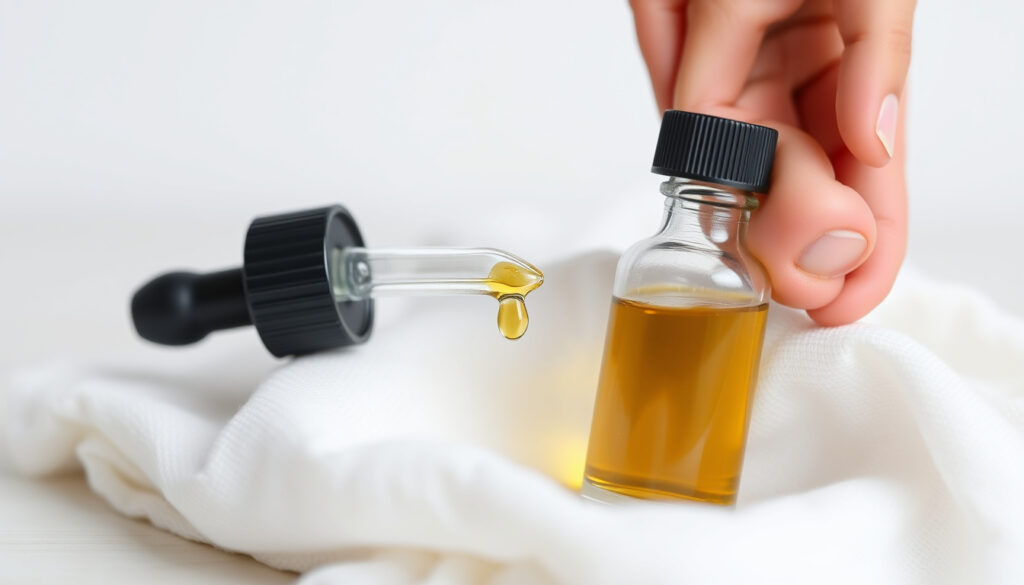
Is Olive Oil in Ear Safe? How to Use for Ear Wax Removal
Putting a few drops of olive oil in your ear sounds like an old wives’ tale, but it’s one of the few home remedies backed by the UK’s National Health Service. Used correctly, olive oil can soften ear wax and help it clear naturally. This guide walks through exactly how to use it safely, what the evidence says, and when you should stop and see a doctor instead.
NHS-recommended treatment: 2–3 drops of olive oil ·
Softening time: 5–10 minutes ·
Duration of use: Up to 4 days ·
Ear wax prevalence: Affects 1 in 10 children
Quick snapshot
- NHS approved for ear wax softening (NHS Borders (Scottish health authority))
- Avoid if you have ear infection or perforated eardrum (ESHT NHS (East Sussex health trust))
- Allergy test recommended (NHS Borders (Scottish health authority))
- Lie on side, apply 2–3 drops (King Edward VII’s Hospital NHS (Suffolk NHS trust))
- Keep head tilted for 5–10 minutes (ESHT NHS)
- Repeat for 3–4 days (King Edward VII’s Hospital NHS (Suffolk NHS trust))
- Almond oil, mineral oil (NHS Borders)
- Commercial ear drops (NHS Borders)
- Microsuction by GP (NHS Borders)
- Persistent blockage after 1 week (NHS Borders)
- Pain, discharge, hearing loss (NHS Borders)
- Known ear infection or eardrum damage (NHS Borders)
Across four NHS trust leaflets, the recommended dose and timing vary slightly — but all agree on one thing: a little oil goes a long way.
| Label | Value |
|---|---|
| NHS recommendation | 2–3 drops of olive oil, lie on side for 5–10 minutes (King Edward VII’s Hospital NHS) |
| Common side effect | Mild irritation, rare allergic reaction (ESHT NHS) |
| Alternative oils | Almond oil, mineral oil (NHS Borders) |
| When to stop | If pain or discharge develops (ESHT NHS) |
Is it safe to put olive oil in your ear?
How does olive oil work for ear wax removal?
- Olive oil acts as an emollient, softening hardened ear wax so it can move out of the ear canal naturally (King Edward VII’s Hospital NHS (Suffolk NHS trust)).
- It does not dissolve wax immediately; repeated use over several days is usually needed (ESHT NHS (East Sussex health trust)).
What do health authorities say?
The NHS explicitly recommends olive oil for softening ear wax. The NHS Borders (Scottish health authority) patient leaflet states olive oil drops should be used twice daily for a minimum of ten days when preparing for syringing. However, there is no evidence that olive oil treats ear infections — it is purely a wax-softener.
Olive oil is safe for wax removal, but if you have a perforated eardrum, ear infection, or ear surgery history, you must not use it. ESHT NHS (East Sussex health trust) warns explicitly against using drops in these cases.
The implication: olive oil is a first-line home remedy only for simple wax buildup — not for pain, discharge, or suspected infection.
How long should olive oil be left in the ear?
How many drops should you use?
Most NHS leaflets recommend 2–3 drops per ear. King Edward VII’s Hospital NHS (Suffolk NHS trust) advises warming the oil first — place the bottle in a pocket for 10 minutes or in warm water for 2 minutes (Milton Keynes University Hospital NHS).
Correct positioning and aftercare
- Lie on your side with the affected ear uppermost.
- Drop in the oil and stay in that position for 5–10 minutes (ESHT NHS).
- Gently massage the outer ear to help the oil penetrate (ESHT NHS).
- Wipe away excess oil after 10 minutes.
- Do not leave olive oil in overnight — it can increase moisture and risk of infection.
The trade-off: longer soaking may soften more wax, but it also increases the chance of irritation. The 5–10 minute window is the safest balance.
What is the best oil to unblock ears?
Olive oil vs almond oil
Almond oil is the most common alternative to olive oil. Some patients prefer it due to a slightly different texture, but no single oil has been proven superior. Both are emollients that soften wax (NHS Borders).
Other oils like mineral oil
Mineral oil (baby oil) is another alternative, though less commonly recommended by UK health providers. Avoid any oil if you have a known allergy.
Four common oils, one key difference: allergic risk.
| Oil | Effectiveness (softening) | Safety considerations |
|---|---|---|
| Extra virgin olive oil | Clinically effective per NHS sources | Minimal side effects; avoid if allergic to olives |
| Almond oil | Same emollient action | Risk for nut-allergic individuals |
| Mineral oil (baby oil) | Commonly used but less evidence | Generally safe but may irritate sensitive ears |
The pattern: all oils work as lubricants, but the best choice depends on personal allergy profile and what the patient has at home. No scientific consensus says one is superior.
What are the side effects of olive oil on ears?
Common side effects
- Mild skin irritation around the ear canal (ESHT NHS).
- Rare allergic reaction (eczema, redness, or itch).
- Temporary hearing reduction — King Edward VII’s Hospital NHS notes that hearing may worsen slightly at first, so treat one ear at a time if both are blocked.
Risks of overuse or misuse
- Overuse can push wax deeper or cause moisture buildup, leading to infection (ESHT NHS).
- Never put cotton wool in the ear canal after oil — it can cause infection (ESHT NHS).
- Do not use if you have a perforated eardrum, grommets, or ear surgery history (NHS Borders).
If pain, discharge, or persistent hearing loss develops during olive oil use, stop immediately and consult a GP. The oil may be masking an underlying infection that requires medical treatment.
Why this matters: side effects are rare with proper use, but misuse (especially cotton buds in the ear) can turn a simple home remedy into a doctor’s visit.
Why is my ear still blocked after olive oil?
What to do if blockage persists
- The wax may need more time to soften — continue olive oil drops twice daily for up to 7 days (NHS Borders).
- Try gently massaging the outer ear after applying drops (ESHT NHS).
- If still blocked after a week, see a GP for microsuction or irrigation — do not continue home treatment indefinitely.
When to see a doctor
Medical attention is needed if you experience: pain, discharge, fever, sudden hearing loss, or a feeling of pressure that does not improve. ESHT NHS advises stopping drops and seeking help in these cases.
The catch: olive oil softens wax, but it does not remove it. If the wax is deeply impacted, professional microsuction is the only reliable solution.
Upsides
- Backed by NHS guidelines — safe and low cost
- Easy to apply at home with no prescription
- Effective for routine ear wax softening
- Can prevent future blockages with maintenance use (NHS Borders)
Downsides
- Not suitable for ear infections or perforated eardrum
- May cause temporary hearing loss during treatment (King Edward VII’s Hospital NHS)
- Does not remove wax — only softens it
- Overuse can lead to moisture infections
Confirmed facts
- Olive oil softens ear wax (NHS Borders)
- NHS recommends its use for wax removal
- 2–3 drops is the standard dose (King Edward VII’s Hospital NHS)
- Do not use with perforated eardrum (ESHT NHS)
What’s unclear
- Effectiveness for ear infections — not proven
- Which oil (olive, almond, mineral) is best — no consensus
- Optimal duration for softening — ranges from 5 to 10 minutes across trusts
“Lie on one side with the affected ear uppermost. Put the drops in and stay on that side for 10 minutes so the oil can soak into the wax.”
King Edward VII’s Hospital NHS (Suffolk NHS trust)
“Do not put cotton wool in the ear canal as it may cause infection.”
ESHT NHS (East Sussex health trust)
For UK patients with simple ear wax buildup, olive oil drops remain a safe, NHS-endorsed first step. The choice is clear: try 2–3 drops twice daily for up to a week, but if the blockage persists or pain appears, stop and book a GP appointment for microsuction.
For a detailed walkthrough of the proper technique and precautions, the olive oil ear safety guide provides step-by-step instructions aligned with medical advice.
Frequently asked questions
Can I use olive oil for an ear infection?
No. Olive oil softens wax but does not treat infections. See a doctor if you suspect an infection.
How often can I put olive oil in my ear?
Twice daily for 3–4 days is standard. For prevention, NHS Borders suggests twice a week (source).
Does olive oil expire for ear use?
Cosmetic-grade olive oil should be used within the manufacturer’s expiry date. Do not use rancid oil.
Can I use olive oil if I have a perforated eardrum?
Absolutely not — it can cause serious infection. Consult a doctor instead (ESHT NHS).
Is warm olive oil better than cold?
Warm oil is more comfortable. Heat the bottle in a pocket or warm water for 2 minutes — not too hot (Milton Keynes University Hospital NHS).
Can I leave olive oil in my ear overnight?
No. Prolonged moisture can lead to infection. Limit to 5–10 minutes per application.
Should I try olive oil or go straight to a doctor?
If you have pain, discharge, hearing loss, or a known eardrum problem, see a doctor without delay. For simple wax blockage, try olive oil first.
Related reading
More related posts
 Nanette Newman: Actress, Fairy Liquid Face & Author
 Epic Books Review: What You Need to Know About This Kids’ Reading App
 David Tennant’s Biography: Family, Health, and Career Facts
 Saint Paul the Apostle: Biography, Facts, and Legacy
 Matthew Perry: Death, Net Worth, Friends Role, and Legacy
 Donald Duck Real Name, Gender & Franchise Profile
 Why Snow White 2025 Flopped: $170M Loss and Controversy
 Jude Riordan: Age, Dad, and Coronation Street Role Explained
