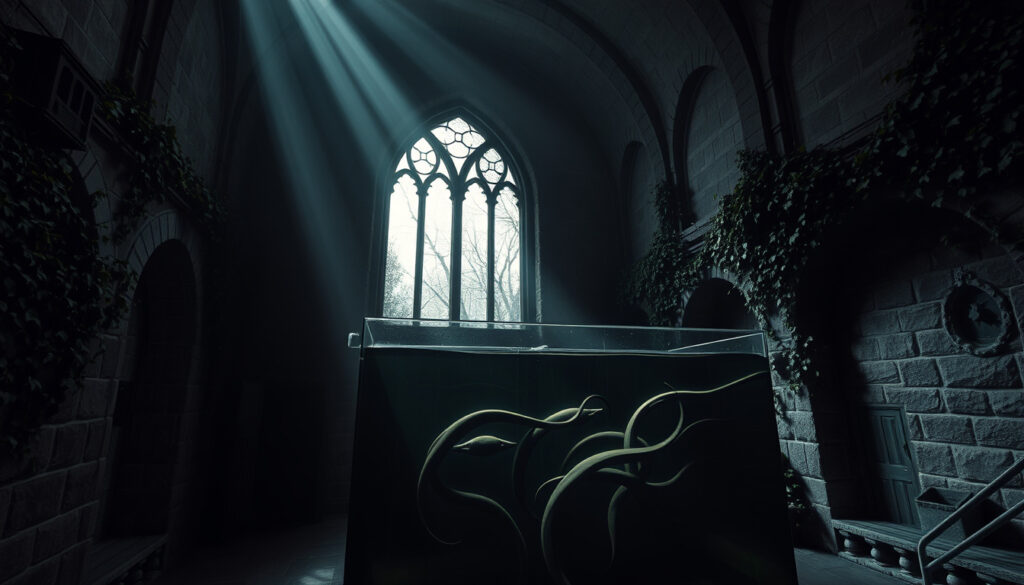
A Cure for Wellness – Plot, Twist & Eels Explained
Few films leave you with more questions than answers quite like Gore Verbinski’s 2016 psychological horror A Cure for Wellness. It’s a movie that asks you to sit with discomfort — the kind that creeps in when a smile feels wrong and the water tastes just a little too metallic. If you’ve seen it and felt confused, or haven’t seen it and want to know what the buzz is about, you’re in the right place.
Release Year: 2016 ·
Director: Gore Verbinski ·
Rotten Tomatoes: 42% ·
IMDb: 6.4/10 ·
Runtime: 146 min ·
Streaming On: Netflix
Quick snapshot
- Eels in the aquifer live over 300 years (Screen Rant)
- Volmer operates a lab in the caverns (YouTube – Ending Explained)
- The twist: patients are part of the cure (University of Michigan)
- Is the ending a happy one?
- Is Lockhart trapped in the spa?
- What exactly happened to Doralis?
- Deeper analysis of wellness-culture allegory
- Further academic readings of eel symbolism
- Possible director commentary re-releases
For quick reference, here are the verified details about A Cure for Wellness:
| Label | Value |
|---|---|
| Director | Gore Verbinski (Wikipedia) |
| Writer | Justin Haythe (Wikipedia) |
| Release Date | December 23, 2016 (limited) / February 17, 2017 (wide) (Wikipedia) |
| Running Time | 146 minutes (Wikipedia) |
| MPAA Rating | R (Wikipedia) |
| Box Office | $26.6 million against $40 million budget (Wikipedia) |
Is The Cure for Wellness worth watching?
Critical reception overview
A Cure for Wellness sits at 42% on Rotten Tomatoes and has an IMDb rating of 6.4/10 (IMDb). The critical consensus describes it as visually stunning but narratively overstuffed (Rotten Tomatoes).
What audiences say
Viewer reactions are split. Many praise the Gothic atmosphere and commitment to weirdness, while others find the 146-minute runtime exhausting. On IMDb, user reviews often highlight the eel imagery and the ambiguous ending as the most memorable elements (IMDb).
Who should watch it
If you enjoy slow-burn psychological horror with heavy symbolism and a willingness to leave things unexplained, this film rewards patience. Fans of Verbinski’s previous work (the Pirates of the Caribbean trilogy, Rango) will see his signature visual ambition (Wikipedia). For more on films that leave a lasting impression, see our guide to No Time to Die Cast and Gone in 60 Seconds – 2000 Film Complete Guide.
What is A Cure for Wellness actually about?
Plot setup
Lockhart (Dane DeHaan), a young stockbroker, is sent to retrieve his company’s CEO from a remote Swiss spa run by the enigmatic Dr. Volmer (Jason Isaacs). The spa promises to cure patients of their ailments, but guests never leave (Wikipedia).
Lockhart’s mission
Lockhart arrives and discovers the spa’s patients age backward rather than heal. He meets Hannah (Mia Goth), a girl who seems to be Volmer’s daughter, and quickly realizes something is deeply wrong (Wikipedia).
The spa’s dark secrets
The water supply is contaminated with microscopic eels that slowly poison the patients. Volmer’s true goal is immortality: he uses the eels to extract life essence from the guests (YouTube – Ending Explained). The film’s central twist is that patients are not receiving a cure — they are part of the recipe for Volmer’s elixir (University of Michigan).
The film’s puzzle-like structure rewards repeat viewings but risks alienating viewers who expect traditional narrative payoff. The ambiguity is the point — but not everyone enjoys that game.
The implication: the spa is a closed loop of exploitation where the cure is the disease.
What do the eels represent in A Cure for Wellness?
Eels as symbols of decay
The eels are not just plot devices. According to an analysis from the University of Michigan, they represent “the physical manifestation of repressed trauma and the decay of the body under the guise of healing.” The eels thrive in the toxic water that provides “wellness” — a direct critique of the wellness industry’s tendency to exploit the vulnerable.
Historical alchemy references
Volmer’s method — forcing live eels down throats and collecting their concentrated liquid — mirrors alchemical transmutation rituals. The eels act as both poison and cure, echoing the ancient concept of the panacea that contains its own antidote (University of Michigan).
Connection to the water treatment
The water is toxic to humans but extends eel life to over 300 years (Screen Rant). This inversion — what heals the eels harms the patients — underscores the film’s message about the perversion of wellness. Patients are literally consuming eels’ life force, but at the cost of their own health.
The same water that promises rejuvenation is actually a slow poison. The line between cure and curse is deliberately blurred, and the eels are the mechanism that makes that blurring visible.
The catch: the eels embody the film’s central paradox—healing and harm are indistinguishable.
What was the twist in A Cure for Wellness?
Volmer’s true identity
Dr. Volmer is the baron who originally owned the estate centuries ago. He discovered that the eels could preserve his life if he continuously fed them human hosts (University of Michigan).
The baron’s curse
According to the film’s lore, the baron’s immortality came at a price: he needed to produce an heir who would continue the cycle. Lockhart, it turns out, is the baron’s direct descendant. The spa’s water is laced with the baron’s own blood, which contains the eel’s life-prolonging properties (YouTube – Ending Explained).
Lockhart’s ancestry
Hannah is revealed to be Lockhart’s sister, the result of the baron’s incestuous breeding program. Lockhart is meant to take over from Volmer, but in a final act of defiance, he sets the spa on fire and escapes with Hannah — though many viewers question whether he truly escapes or is trapped in a loop (YouTube – Ending Explained).
The twist turns the spa into a closed system of exploitation: the cure is the illness, the doctor is the patient, and the only way out is destruction. It’s a rare Hollywood ending that refuses to reassure.
What this means: the twist redefines the spa as a hereditary trap, making Lockhart’s escape ambiguous.
What is the scariest psychological horror movie?
Where does A Cure for Wellness rank?
It’s not among the consensus top tier, but it earns a place in the conversation. Rotten Tomatoes lists it as a psychological horror, though its score puts it well below classics like The Shining or Get Out (Rotten Tomatoes). Yet for its sheer commitment to Gothic excess, it’s a unique entry.
Classic psychological horror movies
Films like The Shining, Get Out, Hereditary, and Black Swan use mental manipulation and unreliable perception to unsettle (Wikipedia). A Cure for Wellness fits the genre through its use of a isolated setting, body horror, and a protagonist whose grip on reality slowly dissolves.
Why it belongs in the genre
Verbinski’s film relies less on jump scares and more on atmospheric dread, paranoia, and the slow erosion of Lockhart’s sanity. The eel hallucinations, the iron lung sequences, and the ambiguous ending all align with the psychological horror tradition of leaving the viewer uneasy long after the credits roll (University of Michigan).
Upsides
- Stunning Gothic cinematography and set design
- Ambitious, layered symbolism with the eels
- Strong performances from DeHaan and Isaacs
- Unforgettable, conversation-sparking ending
Downsides
- 146-minute runtime feels bloated
- Plot holes and confusing logic frustrate many viewers
- Mixed critical reception (42% on Rotten Tomatoes)
- Twist relies on incest which some find gratuitous
Clarity: What we know and what we don’t
- Lockhart is the baron’s descendant (YouTube – Ending Explained)
- Volmer is the baron using his blood to stay alive (YouTube – Ending Explained)
- Hannah is Lockhart’s sister (YouTube – Ending Explained)
- Eels are used to transfer the baron’s blood (YouTube – Ending Explained)
- Is the ending a happy one?
- Is Lockhart trapped in the spa?
- What exactly happened to Doralis?
“The critical consensus is that A Cure for Wellness is visually stunning but narratively convoluted.”
Rotten Tomatoes (Rotten Tomatoes)
“Eels serve as a metaphor for religious faith and salvation promises that are twisted to manipulate and control patients.”
University of Michigan (Eels as Ideologies)
“The film’s central twist is that patients at the sanitarium are not receiving a cure but are instead part of the recipe for the cure.”
University of Michigan (Eels as Ideologies)
The tension between the film’s lush visuals and its grim underpinnings mirrors the real-world wellness industry’s promise of purity v. exploitation. For those willing to sit with discomfort, A Cure for Wellness offers a rare horror experience that lingers. Its legacy may not be blockbuster success, but as a cult conversation piece, it has already outlived many bigger-budget peers. For fans of psychological horror who crave interpretation fodder, the choice is clear: watch it with friends, argue about it, and decide for yourself what that final smile really means.
youtube.com, horrorhomeroom.com, taylorholmes.com, the-avocado.org
Frequently asked questions
Is A Cure for Wellness based on a true story?
No, it is a work of fiction. Gore Verbinski has cited Thomas Mann’s novel The Magic Mountain as a key inspiration, but the plot and characters are original.
Why is the movie called A Cure for Wellness?
The title is ironic: the spa claims to offer a cure, but the “wellness” it provides actually destroys its guests. The film critiques the commercialization of health and the dark side of the wellness industry.
What does the water in the spa do?
The water is contaminated with microscopic eels that slowly poison the patients, making them docile and ready for harvest. For Volmer, the water contains his blood mixed with eel essence, which extends his life.
Is there a sequel to A Cure for Wellness?
No sequel has been announced or is in development. The film’s ambiguous ending is designed to stand alone.
Where was A Cure for Wellness filmed?
Principal photography took place in Germany, including at the Hohenzollern Castle and in Berlin. The Swiss spa setting was created through locations in Bavaria and a studio build.
What is the meaning of the eels in the bath?
The eels represent repressed trauma, the cycle of life and death, and the corruption of the wellness promise. The bath scenes show the eels as both cleansers and parasites, depending on the character’s role in Volmer’s system.
Does Lockhart die at the end?
The ending is deliberately ambiguous. He escapes the burning spa with Hannah, but his smile in the final shot suggests either a psychotic break or that he has taken on the baron’s role. The film leaves it open to interpretation.
More related posts
 David Ornstein: Reliability, Biography, and Teams
 Michael Heseltine: Net Worth, Business, Resignation, and Family
 Conjoined Twin: Causes, Types, Separation & Life Expectancy
 Belle Hassan: Biography, Age, and Love Island Exit
 Mr. Krabs: Biography, Catchphrases, and Moral Ambiguity
 Children in Need 2024: £39.2m Raised on Night
 Ramona Marquez: From Outnumbered to Tattoo Artist
 Best Universities in UK: Top 10 Rankings 2026 Guide
